In the bustling cities and vibrant communities of Nigeria, stress has become an almost inevitable part of everyday life. Between the demands of work, family, and the ever-busy urban environment, it's easy to feel overwhelmed. But stress, while common, doesn't have to control your life. By understanding and implementing effective stress relief techniques, you can enhance your well-being and navigate life's demands with greater ease.
Stress is not just a feeling; it's a biological response that can be managed with the right strategies. Whether you're dealing with traffic jams in Lagos or meeting deadlines at work, the key is to find practical methods that fit into your lifestyle.
In this article, we'll explore various stress relief techniques that are particularly effective and accessible for Nigerian readers. From traditional practices to modern methods, there's something for everyone looking to cultivate a more serene and balanced life.
Understanding the Impact of Stress on Your Health
What is Stress?
Stress is your body's way of responding to any kind of demand or threat. When you sense danger—whether real or imagined—the body's defenses kick into high gear in a rapid, automatic process known as the “fight-or-flight” response or the stress response.
- Physical signs: Increased heart rate, muscle tension, headaches.
- Emotional signs: Irritability, anxiety, low mood.
While some stress can be beneficial, chronic stress can have detrimental effects on your health, leading to issues like high blood pressure, heart disease, obesity, and diabetes.
The Cultural Context of Stress in Nigeria
Nigeria's fast-paced, dynamic environment presents unique stressors. The pressure to succeed, coupled with socio-economic challenges, can lead to heightened stress levels. Understanding this context is essential for implementing effective stress relief techniques.
Practical Stress Relief Techniques
Mindfulness and Meditation
Mindfulness involves focusing your awareness on the present moment, while calmly acknowledging and accepting your feelings, thoughts, and bodily sensations. Meditation is a key tool for achieving mindfulness.
"Mindfulness helps you go back to the present moment and helps you understand the present." — Thich Nhat Hanh
- Set aside just 10 minutes a day for meditation.
- Find a quiet space, close your eyes, and focus on your breath.
Exercise and Physical Activity
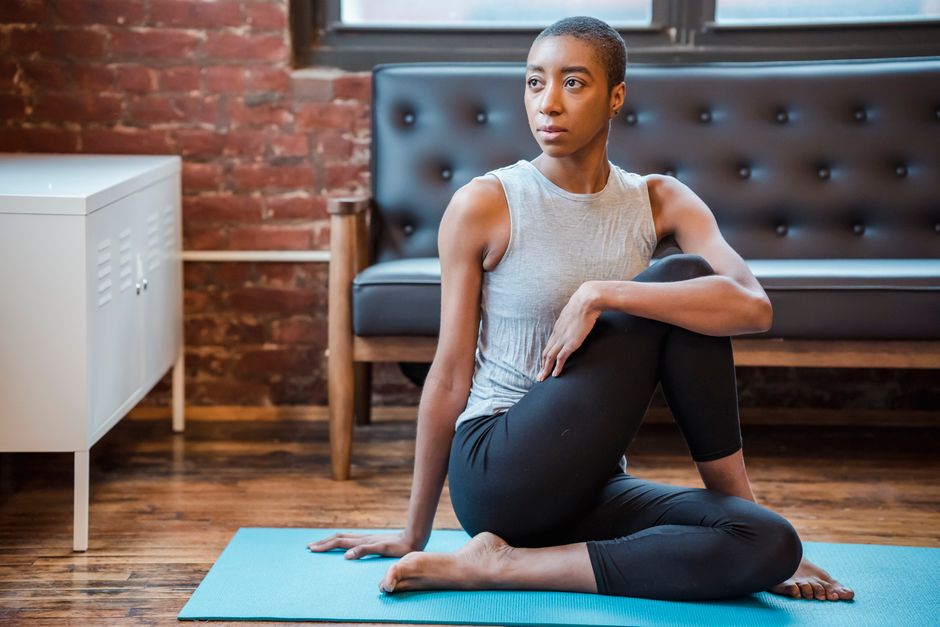
Regular physical activity is a powerful stress reliever. Exercise reduces levels of the body's stress hormones, such as adrenaline and cortisol.
- Engage in activities like walking, dancing, or even traditional sports like Ayo.
- Join a local fitness class or online session to stay motivated.
Incorporating Healthy Habits
Balanced Diet and Hydration
Eating a balanced diet helps to manage stress levels. Foods rich in omega-3 fatty acids, like fish and nuts, can reduce stress symptoms.
- Include fresh vegetables, fruits, and lean proteins in your meals.
- Stay hydrated by drinking plenty of water, especially in hot climates.
Maintaining a Sleep Routine
A good night's sleep is essential for stress management. Consistent, quality sleep can improve your mood and cognitive function.
- Establish a regular sleep schedule by going to bed and waking up at the same time each day.
- Create a restful environment by keeping your bedroom cool and dark.
Social Support and Connection
The Power of Community
Having a strong network of supportive friends and family members is a major buffer against stress. In Nigerian culture, community plays a significant role in stress relief.
"A problem shared is a problem halved." — African Proverb
- Reach out to friends for support or engage in community gatherings.
- Participate in local events or volunteer activities to build connections.
Professional Help and Therapy
Sometimes, talking to a professional can provide additional support and guidance. Therapy offers a safe space to explore and manage stress.
- Consider reaching out to a psychologist or counselor if stress becomes overwhelming.
- Look for community resources or online therapy options.
Conclusion
Stress is a part of life, but it doesn't have to dominate it. By incorporating these practical stress relief techniques into your daily routine, you can foster resilience and lead a more balanced life. Remember, it's about finding what works best for you and making small, consistent changes that contribute to your overall well-being.
Whether it's through mindfulness practices, regular exercise, or maintaining strong social connections, each step you take towards managing stress is a step towards a healthier, happier you.