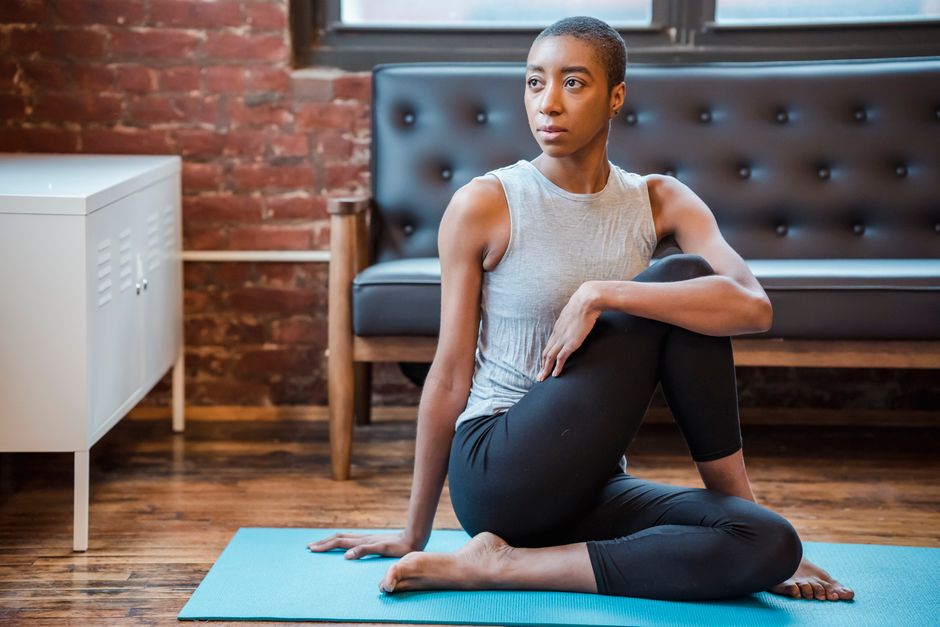
In the bustling life of a Nigerian woman, stress often feels like an unavoidable companion. Whether it's juggling work, family, or personal commitments, the pressure can at times be overwhelming. However, incorporating effective stress relief techniques into your daily routine can make a significant difference in not only your mental wellness but your overall quality of life.
In this article, we will explore various stress relief methods that are not only practical but also culturally relevant, helping Nigerian women find the balance and peace they deserve.
Understanding Stress and Its Effects
Before delving into solutions, it's important to understand what stress is and how it affects us. Stress is the body's reaction to any change that requires an adjustment or response, which can manifest through emotional, physical, or psychological symptoms.
Common Stress Triggers
- Work Pressure: Meeting deadlines and handling workplace dynamics.
- Family Responsibilities: Balancing childcare, household duties, and family events.
- Financial Concerns: Managing budgets and unexpected expenses.
- Social Expectations: Keeping up with societal norms and peer comparisons.
Effects of Stress
Chronic stress can lead to significant health issues, ranging from insomnia and headaches to more severe conditions like heart disease and depression. Understanding these impacts can motivate us to adopt more mindful habits.
"Awareness is the first step towards change. Knowing your stress triggers and effects leads to better management." — Dr. Nkem Osisioma, Wellness Coach
Practical Stress Relief Techniques
Now that we understand the importance of managing stress, let's explore some effective techniques that can seamlessly fit into your daily routine.
Mindfulness and Meditation
Mindfulness is about being fully present in the moment, which can significantly reduce stress levels.
- Morning Meditation: Begin your day with a simple 5-minute breathing exercise.
- Mindful Breathing: Take deep breaths during moments of stress to center yourself.
Physical Activity
Regular physical activity is a powerful stress reliever. It's not just about exercise; it's about finding activities that you enjoy.
- Walking: A brisk walk around the neighborhood is both refreshing and energizing.
- Traditional Dance: Engage in local dance forms for both exercise and cultural connection.
Healthy Eating and Hydration
Your diet can play a crucial role in stress management. Eating well and staying hydrated helps maintain your energy levels and mood.
- Balanced Meals: Incorporate fresh vegetables, whole grains, and lean proteins into your diet.
- Stay Hydrated: Keep a water bottle handy to remind yourself to drink throughout the day.
Time Management and Prioritization
Managing your time wisely reduces stress caused by overwhelming tasks.
- Set Priorities: Identify and focus on the most important tasks each day.
- Create a Schedule: Use a planner to organize your commitments effectively.
"Balance is not something you find; it’s something you create." — Anonymous
Incorporating Community Support
Sometimes, stress relief comes from knowing you are not alone. Engaging with supportive communities can offer emotional relief and valuable advice.
Support Groups
Join local or online support groups where you can share experiences and solutions with others facing similar challenges.
Family and Friends
Lean on your family and friends for support. A simple conversation over a cup of tea can work wonders.
Embracing Cultural Practices
Embracing traditional cultural practices can also serve as a natural stress reliever.
Herbal Remedies
Incorporate local herbal remedies known for their calming effects, such as tea brewed from lemon balm or chamomile.
Traditional Ceremonies
Participate in cultural ceremonies that connect you with your heritage and provide a sense of belonging and peace.
Conclusion
Managing stress is not just about quick fixes; it's about creating a lifestyle that nurtures calm and balance. By understanding your stress triggers and implementing these culturally relevant solutions, you can lead a more harmonious life. Remember, you are not alone in this journey, and reaching out for support is a sign of strength, not weakness.