Stress is one of those inevitable aspects of life that we all encounter. From bustling city life in Lagos to the serene villages of Osun, stress finds a way into our lives. This is why it is crucial to understand how to manage it effectively. In Nigeria, where the fast-paced environment can often take its toll, mastering stress relief techniques can be a game-changer. Let's dive into some practical tips to help you lead a healthier, more balanced life.
Understanding stress and its impacts on your life is the first step in learning how to manage it effectively. Stress relief is not just about making life bearable; it's about transforming your daily experiences into moments of joy and relaxation.
What Is Stress and Why It Matters
Stress is the body's natural response to perceived challenges or threats. It can motivate you to get things done and even be beneficial in short bursts. However, chronic stress can have detrimental effects on your health and well-being.
Identifying Stressors
In Nigeria, common stressors include financial pressures, traffic congestion, and workplace demands. It's essential to recognize these stressors so that you can address them directly.
- Work-related stress: Tight deadlines and long hours can be overwhelming.
- Financial stress: Managing expenses in a fluctuating economy.
- Social stress: Balancing family expectations and personal goals.
The Effects of Stress
Chronic stress can lead to health issues such as hypertension, anxiety, and depression. Understanding these effects is crucial for taking proactive steps toward stress management.
"Stress is not what happens to us. It's our response to what happens. And response is something we can choose." - Maureen Killoran
Effective Stress Relief Techniques
There are numerous techniques available to help reduce stress. The key is finding what works best for you and incorporating it into your daily routine.
Mindfulness and Meditation
Practicing mindfulness and meditation can significantly reduce stress levels. These practices help you focus on the present, reducing anxiety about the future.
- Start with five minutes of deep breathing each morning.
- Use guided meditation apps specifically designed for stress relief.
- Incorporate mindfulness into daily activities, such as mindful eating.
Physical Exercise
Regular physical activity is one of the most effective stress relievers. Exercise releases endorphins, which are natural mood boosters.
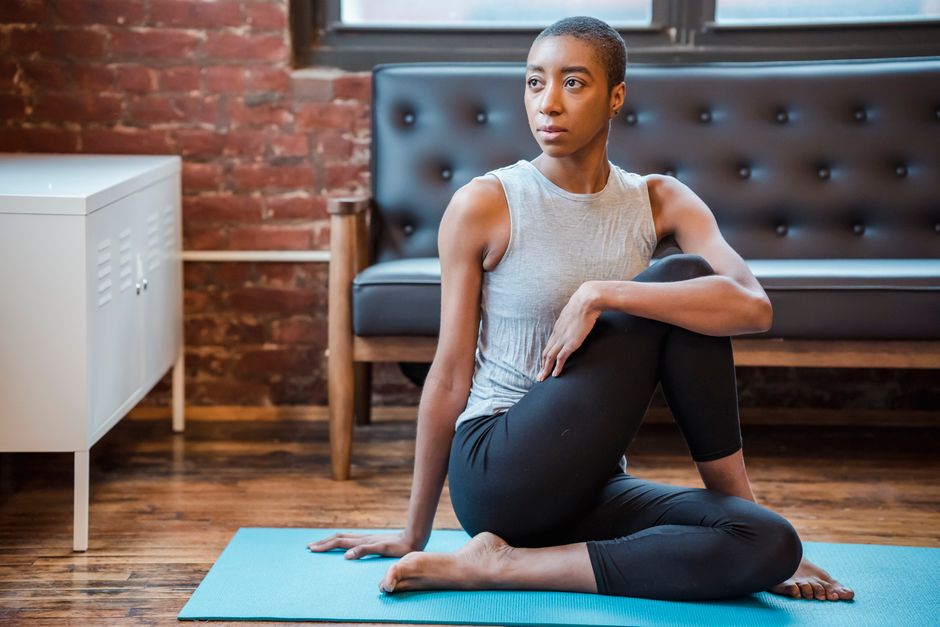
- Engage in activities like jogging, dancing, or yoga.
- Find a local gym or join a fitness class for social support.
- Make it a routine to walk during breaks at work.
Adequate Sleep
Sleep plays a vital role in managing stress. Ensuring you get enough rest can make a significant difference in how you handle stressful situations.
- Establish a consistent sleep schedule.
- Create a restful environment with minimal disturbances.
- Avoid caffeine and electronics before bedtime.
Incorporating Stress Relief into Your Daily Life
Integrating stress relief techniques into your routine can help you manage stress more effectively and improve your overall quality of life.
Time Management
Effective time management can help reduce stress by allowing you to prioritize tasks and avoid last-minute rushes.
- Create a daily planner to organize tasks.
- Set realistic deadlines and break tasks into smaller steps.
- Learn to say no to unnecessary commitments.
Nutritional Balance
A balanced diet can impact how you feel physically and mentally. Consuming the right nutrients can help reduce stress.
- Include fresh fruits and vegetables in your meals.
- Stay hydrated to support overall health.
- Avoid excessive caffeine and sugary snacks.
"The greatest weapon against stress is our ability to choose one thought over another." - William James
Self-Care Practices for Stress Relief
Self-care is an essential component of stress relief. It's about taking time for yourself to recharge and rejuvenate.
Mindful Relaxation
Set aside time each day for activities that you enjoy and that help you relax.
- Read a book or listen to music that soothes you.
- Spend time in nature or take a leisurely walk.
- Practice hobbies that you love, such as painting or cooking.
Social Connections
Building and maintaining strong social connections can provide support and help alleviate stress.
- Reach out to friends and family regularly.
- Join a local community group or club.
- Share your feelings and experiences with others.
Conclusion
Stress is an unavoidable part of life, but it doesn't have to control you. By understanding stress and incorporating these techniques into your everyday routine, you can transform your life into one that is more balanced and fulfilling. Remember to be patient with yourself as you explore different methods, and don't hesitate to seek professional help if needed. Embrace stress relief as a journey toward a healthier, happier you.