In the bustling pace of modern life, stress has become an unavoidable companion for many. Whether it's due to work, family obligations, or the myriad of responsibilities that fill our days, stress can creep into our lives uninvited. For many Nigerians, the challenges are compounded by unique cultural and economic factors. But what if we told you there are practical ways to manage stress, tailored to fit into your daily routine? Whether you're navigating the busy streets of Lagos or the serene countryside, effective stress relief can transform your life.
This guide will explore various stress relief techniques, focusing on activities that are both simple and impactful. We'll delve into the science of stress, the power of mindfulness, and how you can incorporate these practices into your daily life to foster mental wellness and self-care. Let's embark on a journey to a stress-free lifestyle!
Understanding Stress and Its Impact
Before diving into stress relief strategies, it's crucial to understand what stress is and how it affects our bodies and minds. Stress is the body's response to any demand or threat. When you face a challenge, your body releases hormones like adrenaline and cortisol, which prepare you to react swiftly.
The Science of Stress
When you're stressed, your body goes into "fight or flight" mode. This response was beneficial for our ancestors, who needed to react quickly to dangers. However, in today's world, chronic stress can lead to various health issues, including anxiety, depression, heart disease, and sleep problems.
"Understanding the physiological effects of stress is the first step towards managing it effectively."
Practical Stress Relief Strategies
Mindfulness and Meditation
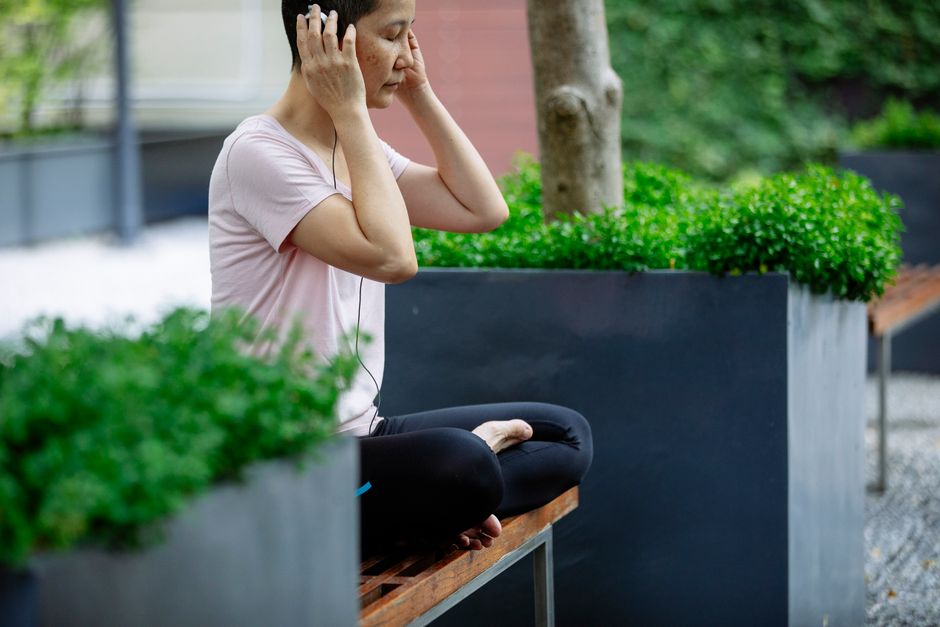
Mindfulness is the practice of being present and fully engaged in the current moment without judgment. It helps reduce stress by allowing you to break free from the constant cycle of worrying about the past or future.
- Start with just 5 minutes a day. Find a quiet space, close your eyes, and focus on your breath.
- Consider guided meditation apps tailored for beginners, like Headspace or Calm.
- Practice mindfulness in your daily activities, such as mindful eating or mindful walking.
Physical Activity and Exercise
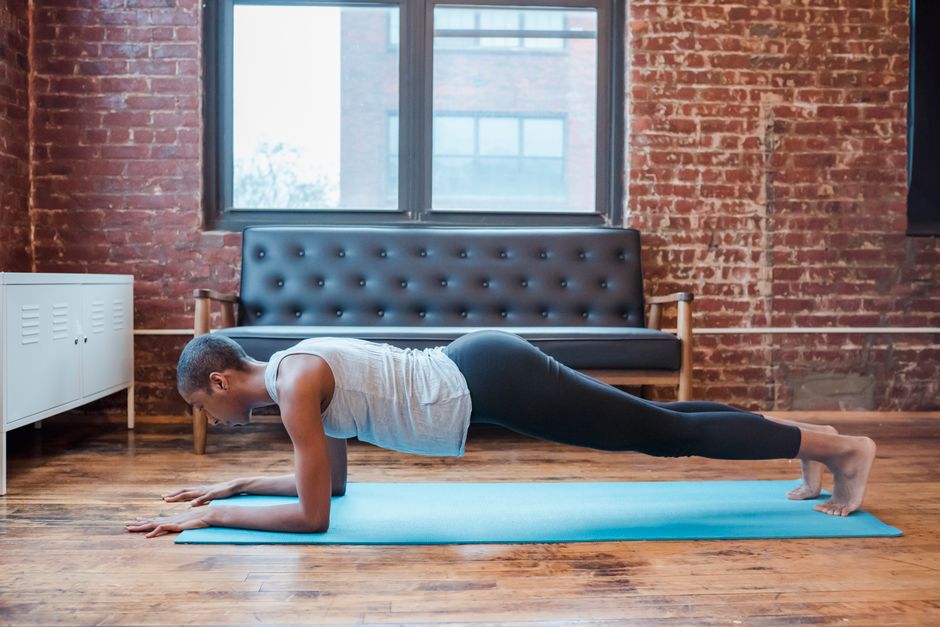
Exercise is a powerful stress reliever. It boosts endorphins, the body's natural mood elevators. Regular physical activity can improve your mood, energy levels, and even your sleep.
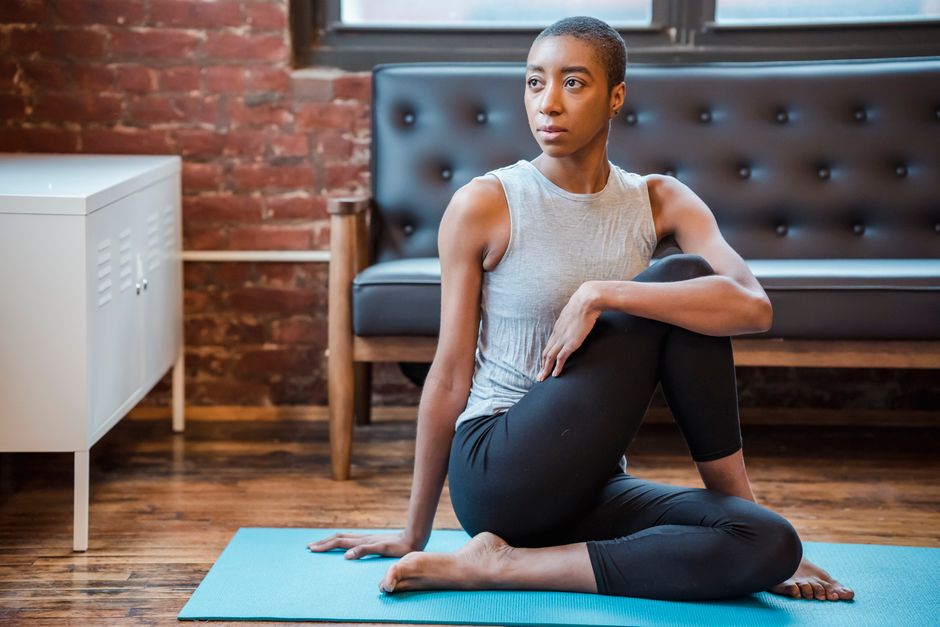
- Find an activity you enjoy, whether it's jogging, dancing, swimming, or yoga.
- Join a local sports team or exercise class for accountability and motivation.
- Incorporate physical activity into your daily routine, even if it's just a brisk walk during your lunch break.
Incorporating Relaxation Techniques
Deep Breathing Exercises
Deep breathing is a simple yet effective way to calm your nervous system. It can be done anywhere, at any time, making it an excellent tool for stress relief.
- Sit comfortably, place one hand on your chest and the other on your abdomen.
- Inhale deeply through your nose, allowing your abdomen to expand fully.
- Exhale slowly through your mouth, noticing the sensation of your breath.
Progressive Muscle Relaxation
This technique involves tensing and then slowly releasing each muscle group in your body. It helps you become more aware of physical tension and teaches you how to relax.
"Progressive muscle relaxation is particularly helpful for those who feel stress physically, like tight shoulders or headaches."
Building a Supportive Environment
The Role of Social Support
Having a strong support network can significantly impact your ability to manage stress. Friends, family, and community groups provide emotional support, practical assistance, and a sense of belonging.
- Reach out to friends and family regularly, even if it's just a quick phone call or text.
- Join local community groups or online forums where you can share your experiences and learn from others.
- Consider seeing a therapist or counselor to explore stress management techniques further.
Creating a Relaxing Home Environment
Your home should be a sanctuary where you can unwind and recharge. By making small changes, you can create a peaceful environment that promotes relaxation.
- Incorporate calming colors and soothing scents, like lavender or chamomile, into your space.
- Declutter regularly to create a sense of order and tranquility.
- Set up a designated relaxation area with comfortable seating, soft lighting, and your favorite books or music.
Conclusion
Stress does not have to dominate your life. By understanding its effects and adopting practical strategies, you can manage stress effectively and enhance your overall well-being. Remember, the journey to a stress-free life is continuous, and it's perfectly okay to seek help along the way. Whether you're exploring mindfulness, physical activities, or building a support network, each step you take brings you closer to a balanced and serene life. Here's to mastering stress relief and embracing a healthier, happier you!