In today's fast-paced world, stress has become an almost unavoidable part of life. From work pressures to the hustle and bustle of Lagos traffic, Nigerians face unique challenges that can make stress management a necessity rather than a luxury. But don't worry, you're not alone, and there are practical steps you can take to reduce stress and improve your mental wellness.
This guide will explore effective stress relief techniques tailored to fit into your busy Nigerian lifestyle, helping you maintain a calm mind and a healthier life. Whether you're looking for quick fixes or long-term strategies, we've got you covered.
Understanding Stress: What It Is and Why It Matters
Stress is your body's natural response to challenges or demands. While a little stress can be motivating, chronic stress can have severe effects on your health, manifesting both physically and mentally.
The Impact of Stress on Health
Long-term stress can lead to numerous health issues such as high blood pressure, diabetes, and heart disease. It can also affect mental health, leading to anxiety and depression.
Identifying Stress Triggers
Understanding what causes your stress is the first step in managing it. Common triggers include financial worries, work pressure, and personal relationships.
"Identifying stress triggers is crucial for effective management. Once you know what causes stress, you can take steps to address it."
Effective Stress Relief Techniques
Mindfulness and Meditation
Practicing mindfulness and meditation can significantly reduce stress. These practices help you stay present and focused, reducing anxiety and promoting relaxation.
- Find a Quiet Space: Dedicate a room or corner in your home for meditation.
- Use Guided Meditations: Apps like Headspace or Calm can provide structure and guidance.
- Practice Breathing Exercises: Deep breathing can instantly calm your mind.
Physical Activity and Exercise
Regular physical activity is one of the most effective ways to combat stress. Exercise boosts endorphins, which improve mood and reduce stress.
- Walking: A simple walk around your neighborhood or a local park can do wonders.
- Dancing: Turn up the music and dance around your living room.
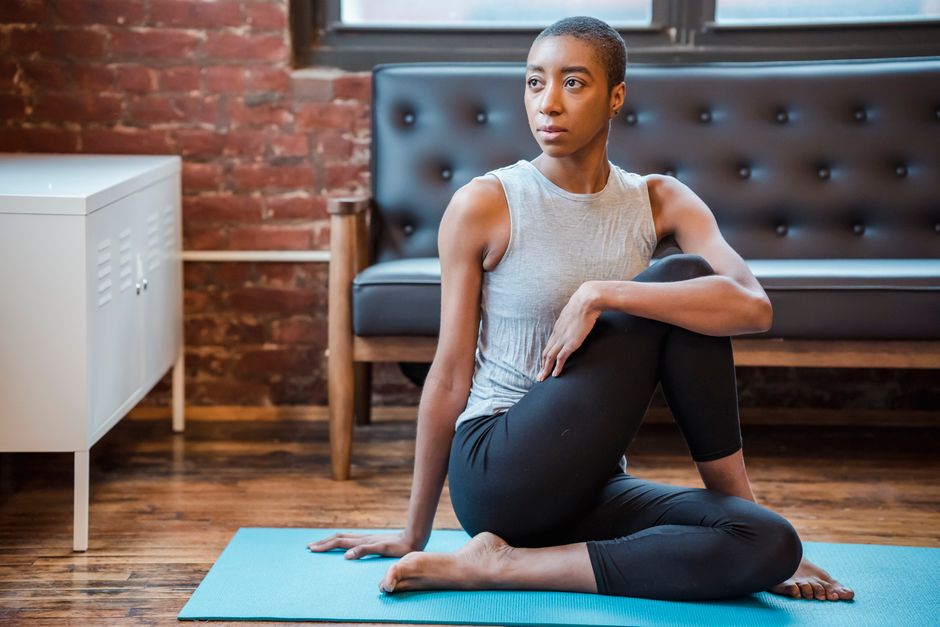
- Yoga: Incorporates movement with mindfulness, benefiting both body and mind.
Social Connections
Strong social connections can provide support and help mitigate stress. Make time to connect with family and friends, even if it's just a quick chat over the phone.
- Schedule Family Time: Regular meals or activities with loved ones can strengthen bonds.
- Join Community Groups: Engaging with local communities can provide a sense of belonging.
"Connecting with others is crucial. It provides emotional support, reducing feelings of isolation and stress."
Integrating Stress Relief into Daily Life
Creating a Stress-Free Environment
Your environment plays a significant role in your stress levels. Ensuring your home is a sanctuary can help lower stress.
- Declutter: A tidy space can lead to a tidy mind.
- Use Calming Scents: Aromatherapy with scents like lavender can be calming.
- Create a Routine: Stability in daily routines can reduce anxiety.
Time Management Techniques
Good time management can reduce stress by ensuring you have enough time for work, relaxation, and self-care.
- Prioritize Tasks: Focus on what's important and urgent.
- Use a Planner: Keep track of appointments and deadlines to avoid last-minute stress.
- Set Boundaries: Learn to say no to commitments that add unnecessary stress.
Conclusion
Managing stress is an ongoing process that requires attention and effort. By understanding your stress triggers and incorporating practical stress relief techniques into your routine, you can lead a more peaceful, healthier life. Remember, self-care is not selfish; it’s essential. Implement these strategies today, and you'll likely find yourself approaching life with a calmer mind and a stronger spirit.
Take charge of your stress and make mental wellness a priority—because you deserve it.