In today's fast-paced world, stress has become an almost inevitable part of life. For many Nigerians, the hustle and bustle of daily activities—from navigating traffic in Lagos to juggling work with family responsibilities—can lead to significant stress. However, understanding and managing stress effectively can lead to a healthier, more balanced life.
In this article, we'll explore practical stress relief techniques specifically tailored for Nigerians, emphasizing culturally relevant practices and easy-to-implement habits that can make a significant difference in your mental wellness and overall quality of life.
Understanding Stress and Its Effects
What is Stress?
Stress is the body's natural response to a challenge or demand. It's a feeling of emotional or physical tension that can come from any event or thought that makes you feel frustrated, angry, or nervous.
How Stress Impacts Your Health
Chronic stress can have serious health implications, including headaches, high blood pressure, heart problems, skin conditions, diabetes, arthritis, depression, and anxiety.
"Stress is not just a state of mind; it can also affect your physical well-being."
Identifying Common Stressors in Nigeria
Work and Economic Pressure
With unemployment rates fluctuating and the cost of living rising, economic pressure is a major source of stress for many Nigerians.
Traffic and Commute
Navigating the infamous traffic jams in cities like Lagos can be a daily stressor, leading to frustration and loss of valuable time.
Social and Family Obligations
Family is central to Nigerian culture, and while this can be a source of support, it can also bring about its own set of pressures and expectations.
Practical Stress Relief Techniques
Meditation and Mindfulness Practices
Engaging in regular meditation can help calm the mind and reduce stress. Apps like Headspace and Calm can be fantastic tools to get started.
- Set aside just 10 minutes a day for meditation.
- Find a quiet space where you can sit undisturbed.
- Focus on your breathing and gently redirect your mind when it starts to wander.
"Mindfulness is the art of living in the moment, free from the burdens of the past and the worries of the future."
Exercise and Physical Activity
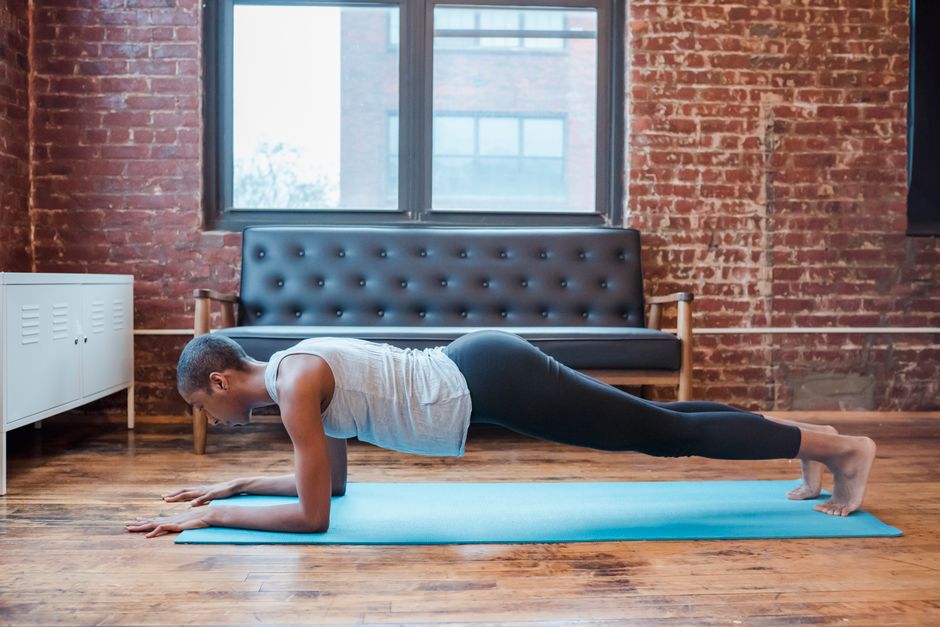
Physical activity is one of the most effective stress-busters. It can be as simple as taking a brisk walk or joining a local gym.
- Join a local dance class like Afrobeats or Zumba.
- Incorporate a 30-minute walk into your daily routine.
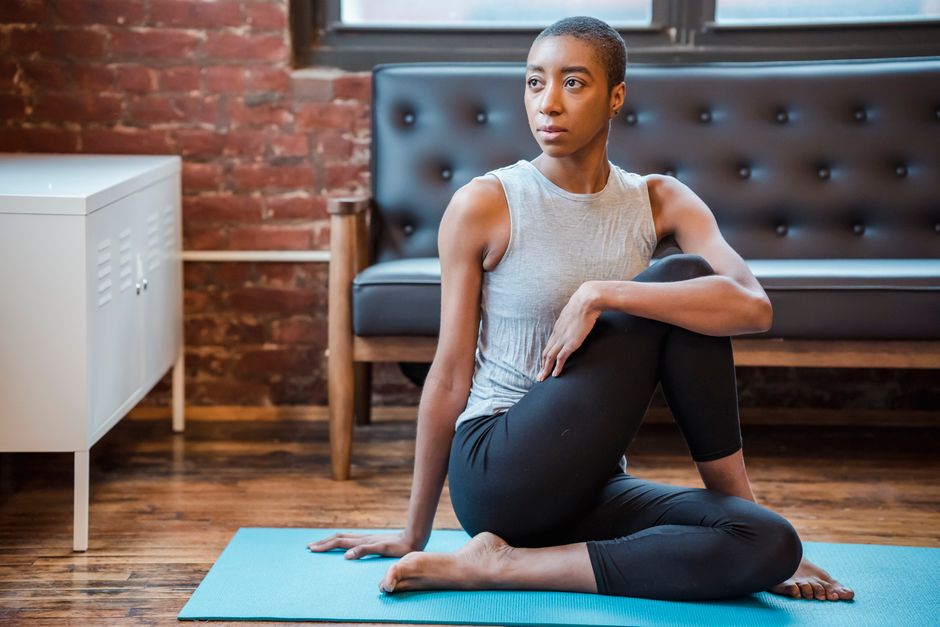
- Try yoga to improve flexibility and reduce stress.
Embracing Cultural Practices
Nigerian cultural practices can be therapeutic. Engaging in traditional music and dance or participating in community gatherings can significantly reduce stress levels.
Building Healthy Habits for Long-term Stress Management
Developing a Balanced Routine
Creating a balanced daily routine that includes work, leisure, and rest is crucial for long-term stress management.
- Prioritize tasks to manage time effectively.
- Ensure adequate sleep each night.
- Incorporate regular breaks during work hours.
Maintaining Social Connections
Strong social connections can provide support and reduce stress. Make time for family and friends and engage in activities that foster these relationships.
"In times of stress, the best thing we can do for each other is to listen with our ears and our hearts."
Conclusion
Stress is a part of life, but it doesn't have to control your life. By implementing these practical stress relief techniques, you can manage stress effectively and improve your overall health and wellness. Remember that change doesn't happen overnight—start small, be consistent, and gradually incorporate these strategies into your daily routine for lasting benefits.