In today's fast-paced world, stress has become an inevitable companion for many. Whether it's from work, family commitments, or societal pressures, the toll it takes on our mental and physical well-being is undeniable. For the Nigerian audience, juggling multiple responsibilities can often feel overwhelming. Thankfully, there are practical stress relief techniques that can help you create a more balanced and peaceful life.
In this guide, we're diving into simple yet effective methods to alleviate stress. From breathing exercises to lifestyle changes, these strategies are designed to integrate seamlessly into your daily routine.
Understanding Stress and Its Impact
Stress is a natural response to life's challenges. However, chronic stress can lead to significant health issues.
The Science of Stress
When confronted with stress, the body releases hormones like adrenaline and cortisol, preparing you for a 'fight or flight' response. While this can be beneficial in short bursts, prolonged exposure to these hormones can harm your health.
Chronic stress affects the immune system, increases the risk of heart disease, and can lead to mental health challenges such as anxiety and depression.
It's crucial to address stress before it becomes a constant presence in your life.
Recognizing Signs of Stress
- Difficulty sleeping or changes in sleep patterns
- Frequent headaches or tension in muscles
- Increased irritability or mood swings
- Loss of appetite or overeating
By recognizing these signs early, you can take proactive steps to manage stress more effectively.
Practical Stress Relief Techniques
Deep Breathing Exercises
Deep breathing is one of the simplest ways to relieve stress. It increases oxygen supply to your brain and promotes a state of calmness.
- Sit comfortably with your back straight.
- Inhale deeply through your nose, allowing your abdomen to expand.
- Hold your breath for a few seconds.
- Exhale slowly through your mouth.
Repeat this process several times until you feel relaxed.
Mindfulness Meditation
Mindfulness involves focusing on the present moment without judgment. Practicing mindfulness can reduce stress and improve overall well-being.
- Find a quiet place to sit comfortably.
- Close your eyes and concentrate on your breathing.
- Acknowledge thoughts as they arise, then gently return focus to your breath.
Even a few minutes of mindfulness each day can make a significant difference.
Lifestyle Changes to Foster Relaxation
Healthy Eating Habits
A balanced diet can influence your stress levels. Incorporate fresh fruits, vegetables, and whole grains into your meals.
Foods rich in omega-3 fatty acids, like salmon, can help manage stress hormones.
Regular Physical Activity
Exercise is a powerful stress reliever. It releases endorphins, improving mood and reducing stress.
- Take a brisk walk or jog for 30 minutes daily.
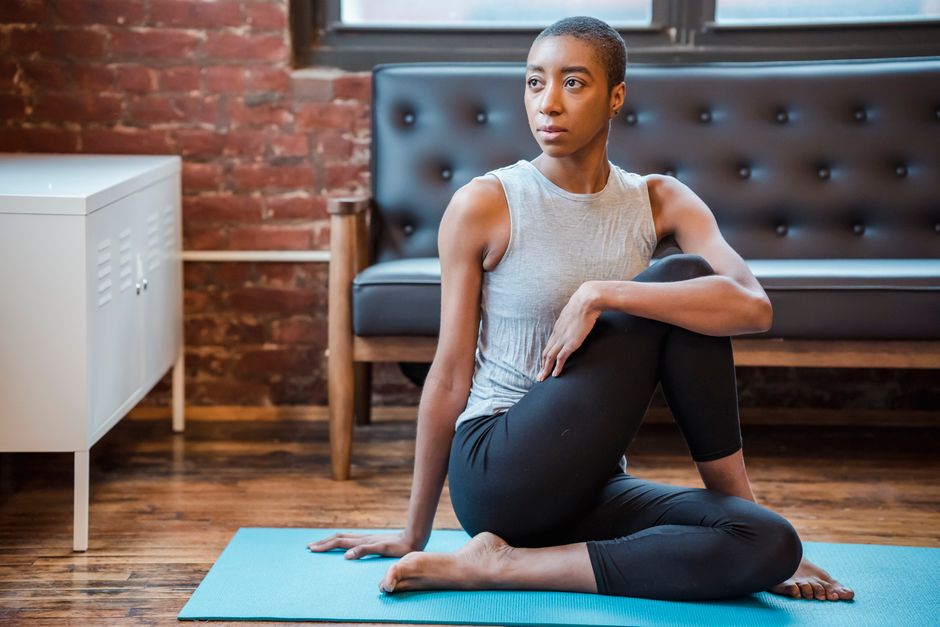
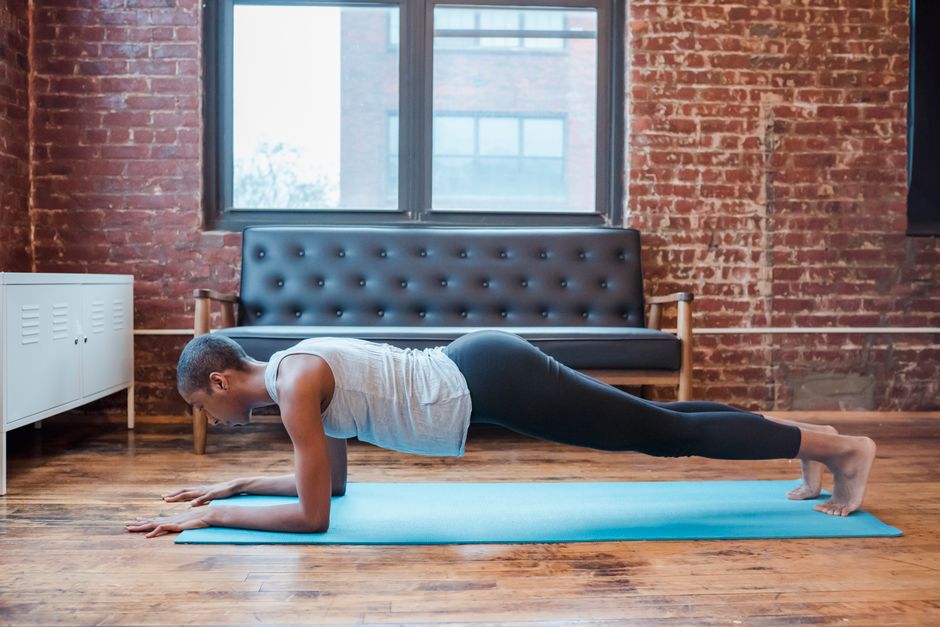
- Try yoga or pilates for a combination of stretching and relaxation.
Find an activity you enjoy to make it a regular part of your routine.
Building a Supportive Environment
Connecting with Loved Ones
Spending time with family and friends can provide a sense of belonging and support.
- Schedule regular catch-ups with loved ones.
- Join community groups or clubs to meet new people with shared interests.
Setting Boundaries
Learn to say no when necessary. Overcommitting can lead to increased stress.
Identify your limits and communicate them clearly with others.
Final Thoughts
Stress relief is an essential component of a balanced life. By incorporating these simple techniques into your daily routine, you can manage stress more effectively and enjoy a healthier, more fulfilling life.
Remember, taking time for self-care isn't a luxury—it's a necessity. Start today, and watch as these small changes make a big impact on your well-being.