In today's fast-paced world, stress has become an inevitable part of life, especially for those of us balancing numerous responsibilities. From demanding work schedules to family commitments, the pressures can feel overwhelming. But what if I told you there's a way to manage this stress effectively? This article delves into practical stress relief techniques specifically tailored for the Nigerian lifestyle, helping you find balance and peace amidst the chaos.
Stress not only affects our mental health but can have severe implications on physical well-being too. It's crucial to address stress proactively. Whether you're navigating through Lagos traffic or juggling multiple roles, these methods are designed to be seamlessly integrated into your daily routine.
Understanding Stress and Its Impact
Before diving into stress relief techniques, it’s essential to understand what stress is and how it affects us. Stress is the body's natural response to challenges or demands. While a little stress can be motivating, chronic stress can lead to health problems.
The Science Behind Stress
When you encounter a stressful situation, your body's fight-or-flight response is triggered. This leads to the release of hormones like adrenaline and cortisol, which prepare your body to react to the threat.
However, continuous activation of this response can lead to health issues such as high blood pressure, anxiety, and depression. Recognizing when you're stressed and understanding its impact is the first step towards managing it.
Common Stressors in Nigeria
Nigeria presents unique stressors, from the hustle and bustle of city life in places like Lagos and Abuja to economic and social pressures. Identifying these specific stressors can help in tailoring effective stress relief strategies.
- Traffic congestion and long commutes
- Economic uncertainties and financial pressures
- Cultural and familial expectations
- Work-life balance challenges
Effective Stress Relief Techniques
Now that we've explored what stress is and its implications, let's delve into practical ways to alleviate it. Here are some stress relief techniques that can be incorporated into your routine:
Mindfulness Meditation
Mindfulness meditation involves focusing on the present moment without judgment. This practice can help reduce stress by promoting relaxation and awareness.
Expert Tip: Start with just five minutes a day and gradually increase the duration as you become more comfortable with the practice.
Find a quiet space, sit comfortably, and focus on your breath. Allow thoughts to come and go without engaging with them.
Physical Exercise
Regular physical activity is one of the most effective ways to combat stress. It helps release endorphins, the body's natural mood elevators.
- Try brisk walking in your neighborhood or a local park.
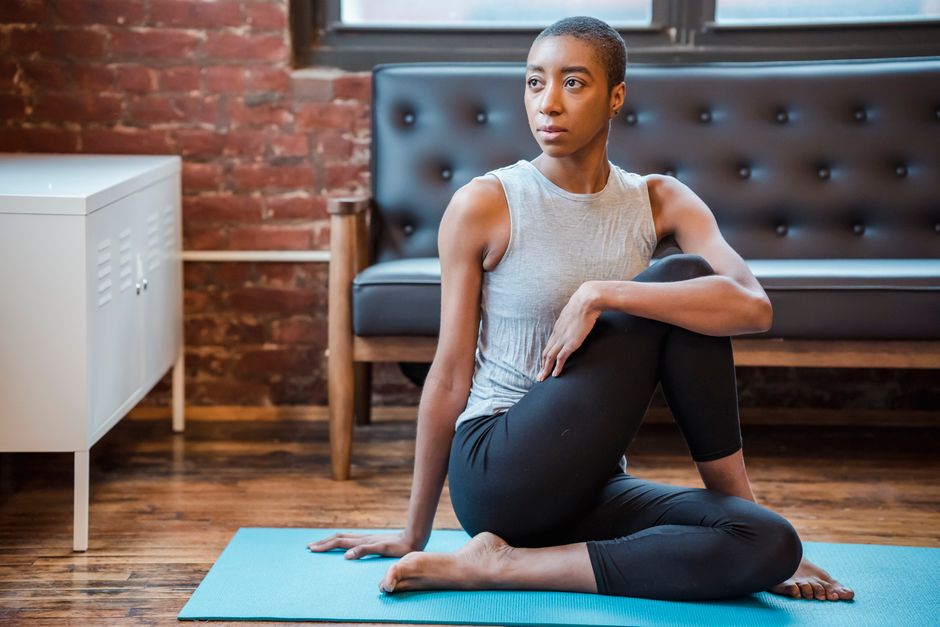
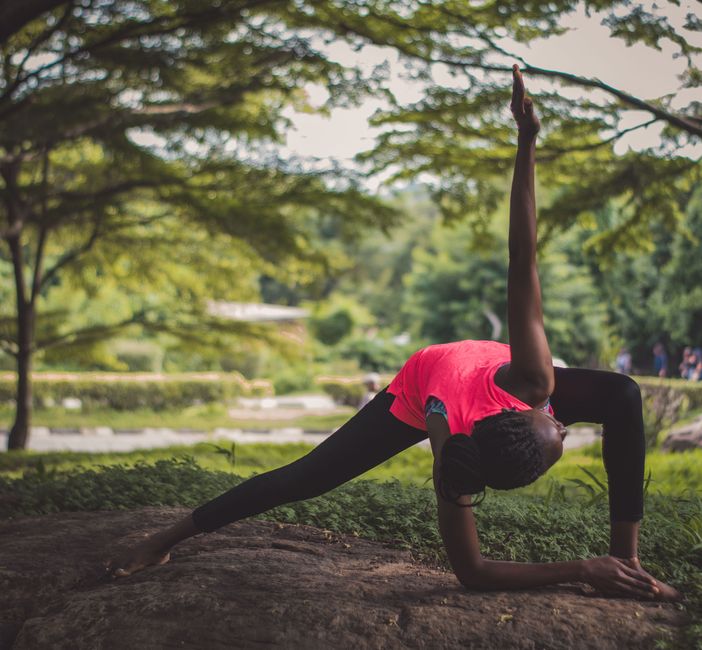
- Engage in group exercises like dance classes or yoga, which can also provide social interaction.
Deep Breathing Exercises
Deep breathing can quickly calm the nervous system. Practice by inhaling deeply through the nose, holding the breath, and exhaling slowly through the mouth.
Quick Tip: Incorporate deep breathing into your daily routine, especially during stressful situations like traffic jams.
Creating a Stress-Free Environment
Sometimes, the environment contributes significantly to stress levels. Making small changes in your surroundings can have a profound impact on your stress levels.
Organize Your Space
Clutter can increase stress levels. Take time to organize your home or workspace, making it a more pleasant environment.
Incorporate Natural Elements
Add plants or open windows for natural light and fresh air, which can help improve your mood and reduce stress.
Nurturing Relationships for Emotional Support
Strong social connections are vital for stress management. Building and maintaining relationships can provide emotional support and a sense of belonging.
Stay Connected with Family and Friends
Make time for regular interactions with loved ones. Even a simple phone call can offer comfort and perspective during stressful times.
Seek Professional Help When Needed
Sometimes, talking to a counselor or therapist can provide new strategies for dealing with stress and improving mental health.
Conclusion
Stress is an unavoidable part of life, but it doesn’t have to control you. By adopting these techniques, you can effectively manage stress and improve your overall well-being. Remember, it's about taking small steps towards a healthier lifestyle.
Implement these strategies, and you'll find that managing stress is not only possible but can lead to a more fulfilling and balanced life. Start today, and embrace the positive changes that come with a stress-free lifestyle.