Have you ever found yourself overwhelmed by the daily hustle of life, feeling as though you're moving through the motions without truly connecting with yourself? In our fast-paced world, it's easy to lose touch with our inner selves. However, by integrating self-reflection into your daily self-care routine, you can rekindle that connection and foster a deeper sense of mental wellness and fulfillment. Whether you're a busy professional in Lagos or managing a bustling household in Abuja, self-reflection is a powerful tool that can help you navigate life's challenges with grace and mindfulness.
Self-reflection is not just a trendy buzzword; it is a fundamental aspect of self-care that invites you to pause, breathe, and take a look inward. In Nigeria, where cultural richness and diversity are celebrated, self-reflection becomes a personal journey, allowing you to align your actions with your values and cultural heritage. Embracing this practice can lead to profound changes in how you perceive yourself and the world around you. Let's explore how you can incorporate self-reflection into your daily routine and experience the transformative benefits it offers.
The Importance of Self-Reflection
Self-reflection is the practice of consciously assessing your thoughts, emotions, and actions. It's about asking yourself meaningful questions and seeking to understand the 'why' behind your feelings and behaviors. In the context of self-care, it's about taking the time to evaluate whether your actions align with your personal goals and values.
Why Self-Reflection Matters
Self-reflection is vital because it helps you gain insight into your life. By understanding your motivations and desires, you can make informed decisions that lead to personal growth and happiness. Furthermore, self-reflection can help you identify patterns in your behavior that might be holding you back and empower you to change them.
In Nigeria, where community and family ties are strong, self-reflection can also enhance your relationships with others. By understanding yourself better, you can communicate more effectively and empathize with those around you.
"Self-reflection is the school of wisdom." — Baltasar Gracian
Self-Reflection and Mental Wellness
Mental wellness is a crucial component of overall health, and self-reflection plays a significant role in maintaining it. By regularly examining your thoughts and feelings, you can identify stressors and develop strategies to manage them effectively. This proactive approach to mental wellness can prevent burnout and promote a balanced lifestyle.
How to Practice Self-Reflection
Incorporating self-reflection into your daily routine doesn't have to be a daunting task. Here are some practical steps you can take to get started:
Create a Dedicated Time and Space
- Set aside a specific time each day for self-reflection. This could be in the morning before your day begins or in the evening as a way to wind down.
- Choose a quiet, comfortable space where you can be alone with your thoughts without interruptions.
Ask Yourself Thought-Provoking Questions
- What am I grateful for today?
- What challenges did I face, and how did I overcome them?
- What did I learn about myself today?
These questions encourage introspection and can help you focus on your achievements and areas for improvement.
Journaling as a Self-Reflection Tool
Journaling is a powerful way to document your thoughts and track your progress over time. By writing down your reflections, you create a tangible record of your journey that you can revisit and learn from.
"The more reflective you are, the more effective you are." — Hall and Simeral
Overcoming Challenges in Self-Reflection
Like any self-care practice, self-reflection can come with its own set of challenges. Here are some common obstacles and how to overcome them:
Time Constraints
In a busy world, finding time for self-reflection can be difficult. Try incorporating short reflection sessions into your daily routine, such as during your commute or while enjoying your morning coffee.
Emotional Discomfort
Sometimes, self-reflection can bring up uncomfortable emotions. Remember that facing these feelings is a part of the growth process. Be gentle with yourself and seek support if needed.
Integrating Self-Reflection with Other Self-Care Practices
Self-reflection doesn't have to be an isolated activity. By combining it with other self-care practices, you can enhance its effectiveness and enjoy a more holistic approach to well-being.
Meditation and Mindfulness
Mindfulness practices such as meditation can complement self-reflection by helping you stay present and aware of your thoughts. This enhanced awareness can lead to more profound insights during reflection sessions.
Physical Activity
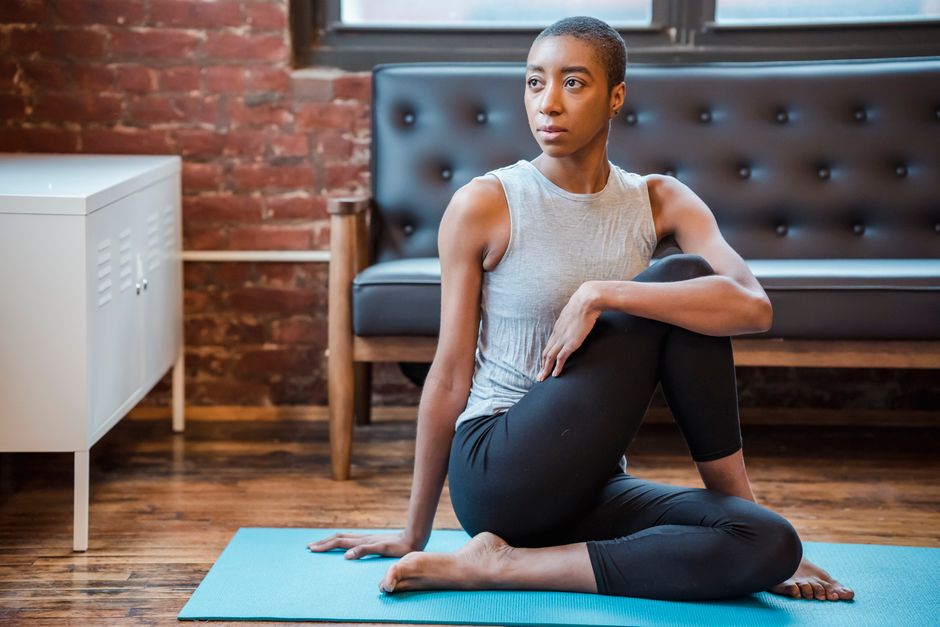
Engaging in physical activities, like yoga or walking, can also aid self-reflection. Movement can help release stress and open your mind to new perspectives.
Conclusion
Self-reflection is a transformative practice that boosts self-care and mental wellness. Embrace it in your daily routine to nurture self-awareness and personal growth.