In today's fast-paced world, balancing work, family, and personal life can be overwhelming, especially in a bustling country like Nigeria. It's easy to feel like you're constantly on a treadmill, moving but never reaching a destination. If you find your stress levels rising, it's time to pause and embrace self-care practices that are not only soothing but also transformative for your overall well-being.
Self-care isn't just a buzzword; it's a necessity. For many Nigerians, embracing self-care can be the difference between merely surviving and truly thriving. From Lagos's chaotic streets to Abuja's dynamic hustle, the need for effective stress relief strategies is universal. In this comprehensive guide, we'll explore practical self-care tips that cater to the unique Nigerian experience, promoting mental wellness and healthier habits.
Understanding Stress and Its Impact
What is Stress?
Stress is your body's response to challenges or demands. It can be triggered by a variety of factors, including work pressures, family responsibilities, and financial concerns. Understanding what stress is and how it affects you is the first step in managing it effectively.
"Stress is not what happens to us. It's our response to what happens. And response is something we can choose." — Maureen Killoran
Common Sources of Stress in Nigeria
In Nigeria, unique stressors include traffic congestion, electricity supply issues, and economic fluctuations. These everyday challenges can compound, leading to increased stress levels that impact both mental and physical health.
- Traffic Jams: Long commutes in cities like Lagos can lead to exhaustion.
- Economic Pressures: Fluctuating oil prices can affect job security and financial stability.
- Social Expectations: Cultural norms and family expectations can add pressure.
Practical Self-Care Tips for Stress Relief
Mindfulness Practices
Mindfulness is the practice of being present and fully engaged in the current moment without judgment. It's a powerful tool for reducing stress and enhancing mental clarity.
- Meditation: Spend 10 minutes each day focusing on your breath.
- Deep Breathing Exercises: Practice 4-7-8 breathing to calm your nervous system.
Regular mindfulness practices can help you manage stress more effectively, leading to a calmer and more focused mind.
Physical Activities
Physical activity is not just beneficial for physical health but also plays a crucial role in mental well-being. Exercise releases endorphins, which are natural mood lifters.
- Exercise Regularly: Incorporate 30 minutes of exercise, such as walking or dancing, into your daily routine.
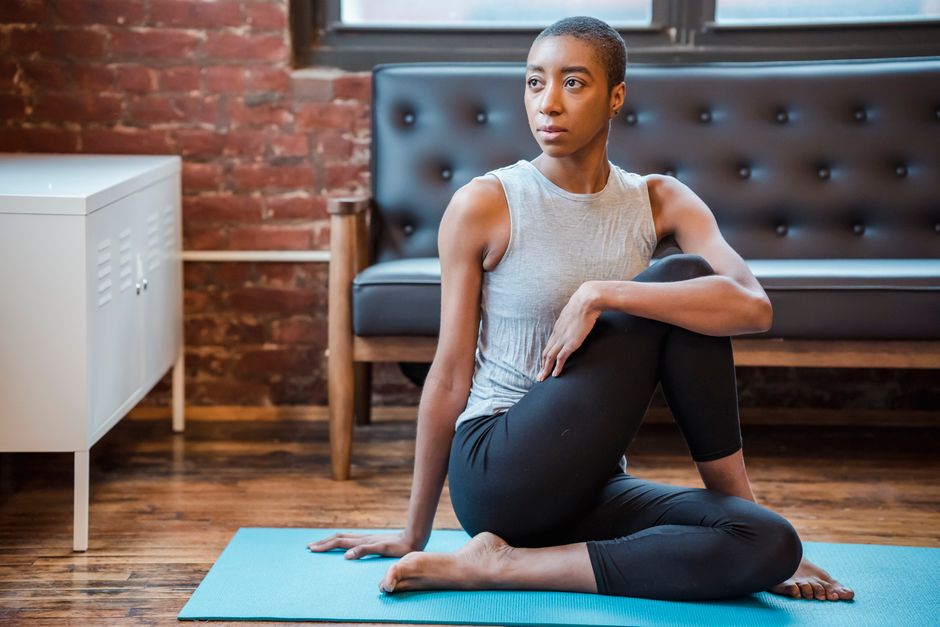
- Yoga: Engage in yoga sessions that combine physical movement with mindfulness.
"Physical fitness is not only one of the most important keys to a healthy body; it is the basis of dynamic and creative intellectual activity." — John F. Kennedy
Nutrition and Its Role in Stress Management
Eating Healthy
Your diet significantly impacts your stress levels. Consuming nutrient-rich foods can improve your mood and energy levels.
- Local Produce: Incorporate fresh, local fruits and vegetables into your meals.
- Avoid Processed Foods: Limit intake of processed foods high in sugar and unhealthy fats.
Staying Hydrated
Dehydration can lead to fatigue and increase stress. Ensure you're drinking enough water throughout the day to stay hydrated and maintain optimal health.
Creating a Supportive Environment
Building a Social Support Network
Having a strong support system can buffer against the negative effects of stress. Connect with family and friends who uplift and encourage you.
- Regular Social Interactions: Schedule regular meet-ups with loved ones.
- Community Activities: Engage in community activities that promote social bonds.
Setting Boundaries
Learning to say no and protecting your time is crucial for stress management. Set clear boundaries to ensure you're not overwhelmed by commitments.
By prioritizing your needs and setting boundaries, you create a more balanced and stress-free life.
Final Thoughts
Transforming stress into serenity requires intention and effort, but the rewards are immense. By integrating these self-care practices into your daily routine, you can navigate life's challenges with greater ease and grace. Remember, self-care is a personal journey, and what works for one person might not work for another. Explore different techniques, and find what resonates with you. Embrace the journey to wellness, and discover a life where you not only survive but thrive.