Beauty myths have been around for as long as anyone can remember. They thrive on hearsay, half-truths, and sometimes pure fiction. While some of these myths are harmless, others can lead to unnecessary concern or misguided beauty routines. For many in Nigeria, where beauty standards are as diverse as the people, it’s important to separate fact from fiction.
Today, we’ll tackle some of the most pervasive beauty myths. These are tales passed around in salons, whispered during family gatherings, or perpetuated by dated advertisements. Let’s break them down, myth by myth, to ensure that our beauty choices are informed and beneficial.
Myth: Dark Skin Doesn't Need Sunscreen
This myth is one of the most prevalent in Nigeria, where many believe that melanin-rich skin is immune to the harmful effects of the sun. While it’s true that darker skin tones have some natural protection against UV rays, they are not invulnerable.
Fact Check: Everyone Needs Sun Protection
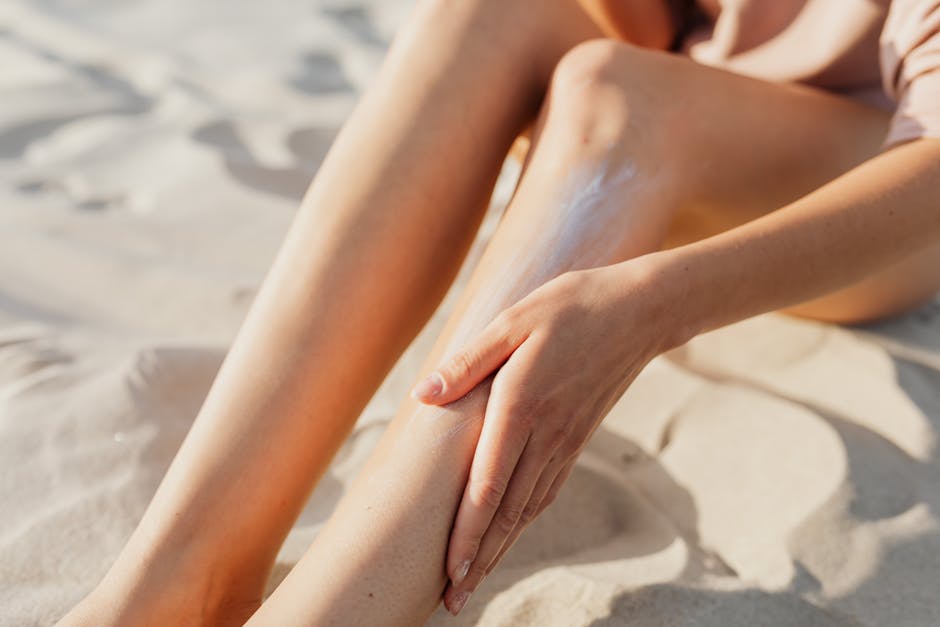
According to the Skin Cancer Foundation, everyone, regardless of skin color, is at risk of sun damage and should wear sunscreen. Dark skin can still develop sunburn, skin cancer, and premature aging. Using a broad-spectrum sunscreen with an SPF of at least 30 is recommended.
Expert Tip: Choose sunscreens that don’t leave a white cast. Brands like Neutrogena and Black Girl Sunscreen are popular choices that cater to darker skin tones.
Myth: Oily Skin Doesn't Need Moisturizer
Many believe that oily skin is a result of too much moisture and that applying moisturizer would only exacerbate the problem. This couldn't be further from the truth.
Fact Check: Moisturizing is Essential for Oily Skin
Skipping moisturizer can actually make oily skin worse. When skin is stripped of moisture, it produces even more oil to compensate. This leads to a vicious cycle. Instead, opt for lightweight, non-comedogenic moisturizers that hydrate the skin without clogging pores.
Key Takeaway: Products containing hyaluronic acid or glycerin can provide hydration without adding extra oil.
Myth: Shaving Makes Hair Grow Back Thicker
This is a common myth that deters women from shaving facial hair or other parts of the body. The belief is that once you shave, the hair will grow back thicker and darker.
Fact Check: Shaving Doesn't Change Hair Thickness
Shaving cuts hair at the surface, giving it a blunt tip. This can make hair feel stubbly or coarse as it grows out, but it doesn't actually change the thickness or color of the hair. Hair growth is determined by genetics and hormones, not shaving.
Recommendation: If you're worried about hair texture, consider other hair removal methods like waxing or threading, which remove hair from the root.
Myth: Natural Ingredients Are Always Better
The trend towards “natural” products has led many to believe that if an ingredient is natural, it must be better and safer. This isn't always the case.
Fact Check: Natural Isn't Synonymous with Safe
While natural ingredients can be beneficial, they can also cause reactions and allergies. For example, lemon juice is natural but can irritate the skin and cause photosensitivity. Always patch-test new products, whether natural or synthetic.
Insight: The effectiveness of a product lies in its formulation, not just in whether its ingredients are natural or synthetic.
Conclusion
Separating beauty myths from facts is crucial for maintaining healthy skin and making informed choices. In a world saturated with information, sometimes it’s the myths that stand out more than the truths. Keep questioning and researching, and don't hesitate to consult with dermatologists or beauty experts when in doubt. Your skin is unique, just like you, and deserves the best care based on facts, not fiction.


