Acne is often seen as a rite of passage during adolescence, but for many, it persists well into adulthood. You might have tried every cleanser and cream on the market, but nothing seems to help. Before you surrender to despair, consider that the reason your acne won't clear up might be hiding in plain sight.
In this guide, we'll delve into five hidden causes of stubborn acne and the unexpected solutions that could finally give you the clear skin you’ve been longing for.
1. Diet and Hidden Allergens
Many people overlook the impact diet has on their skin health. While the connection between diet and acne isn't fully understood, certain foods are known to trigger breakouts in some individuals.
How to Identify Dietary Triggers
Keeping a food diary for a few weeks can help you identify patterns between what you eat and your acne flare-ups. Common culprits include dairy, sugar, and high glycemic index foods.
- Dairy: Consider switching to plant-based alternatives if you suspect lactose intolerance.
- Sugar: Try reducing your intake of processed sugars.
- High GI Foods: Focus on whole grains and vegetables.
"Your skin is a mirror of what you put inside your body. Listen to it."
2. Stress and Its Impact on Hormones
Stress is an inevitable part of life, but chronic stress can wreak havoc on your body, including your skin.
Stress Management Techniques
Implementing stress-reducing practices can help regulate your hormones and reduce acne.
- Meditation: Spend a few minutes each day meditating to calm your mind.
- Exercise: Regular physical activity can lower stress levels.
- Sleep: Aim for 7-8 hours of quality sleep every night.
"Finding balance is key to reducing stress-related breakouts. Your skin and mind will thank you."
3. Incorrect Use of Skincare Products
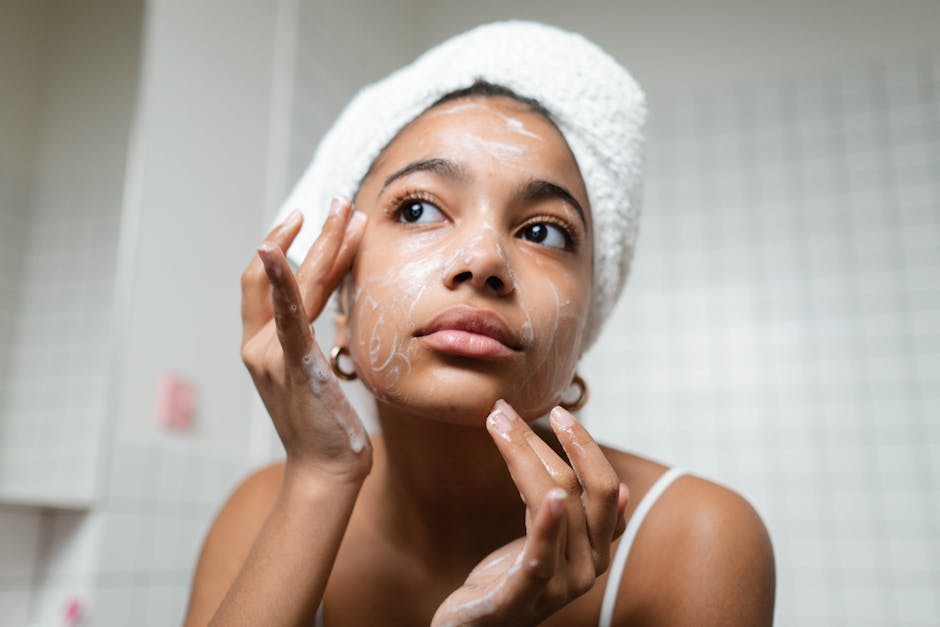
Using too many or the wrong type of skincare products can irritate your skin and exacerbate acne.
Choosing the Right Products
Understanding your skin type is crucial. People with oily skin should look for non-comedogenic products, while those with dry skin may need more moisturizing formulas.
- Non-Comedogenic: Choose products labeled as non-comedogenic to avoid clogged pores.
- Gentle Cleansers: Opt for products free of harsh chemicals.
- Regular Exfoliation: Exfoliate 1-2 times a week to remove dead skin cells.
4. Environmental Factors
Pollution and sun exposure can also contribute to persistent acne.
Protecting Your Skin
Environmental factors demand an effective skincare routine to combat their effects.
- Sunscreen: Apply a broad-spectrum sunscreen daily to protect your skin from UV damage.
- Clean Environment: Ensure your living spaces have clean air, or use an air purifier.
- Hydration: Drink at least 8 glasses of water a day to keep your skin hydrated.
"Environmental factors are often overlooked but are critical to addressing stubborn acne."
5. Hormonal Imbalances
Hormonal acne is a common issue, particularly for women. Hormones can fluctuate due to menstrual cycles, pregnancy, or certain medical conditions.
Balancing Hormones
Consulting a healthcare professional can help manage hormonal imbalances effectively.
- Medical Advice: See a dermatologist or an endocrinologist for tailored advice.
- Birth Control: Certain oral contraceptives can help regulate hormone levels.
- Natural Supplements: Consider supplements like zinc and omega-3 fatty acids, but consult your doctor first.
Final Thoughts
Clear skin is not always achieved through the most obvious means. Understanding the hidden causes of acne can lead to effective solutions that truly work for you. Before you reach for another product, consider these overlooked factors that might be sabotaging your efforts.