Cleansing your face might seem like the most straightforward part of your skincare routine. Yet, many people make a simple mistake that can compromise their skin’s health and appearance. This mistake? Using the wrong water temperature. It may seem trivial, but the temperature of the water you use to wash your face can have significant impacts, especially considering Nigeria's diverse climate.
When it comes to cleansing, the assumption is hotter water equals better cleaning. However, this is not just inaccurate but can be damaging. Here's why this common cleansing mistake is something you need to fix immediately, and how to do it right for glowing, healthy skin.
Why Water Temperature Matters
Using hot water can strip your skin of its natural oils, which are crucial for keeping it hydrated and protected. On the other hand, water that's too cold may not effectively remove the daily dirt and oil we accumulate, leading to clogged pores and breakouts.
The Effects of Hot Water
- Strips Natural Oils: Hot water can remove the natural oils present in your skin, leading to dryness and irritation.
- Causes Redness: The heat can cause blood vessels to dilate, resulting in redness and sometimes even a rash.
- Increases Oil Production: Paradoxically, stripping oils away can lead the skin to produce more oil, exacerbating issues like acne.
In a Nigerian context, where humidity is a constant factor, maintaining a balanced oil level is critical for healthy skin.
The Downsides of Cold Water
- Ineffective Cleaning: Cold water might not break down oils and grime as effectively as needed.
- Poor Pore Cleansing: Cold water can cause pores to remain closed, trapping debris inside.
Efficient cleansing is essential in urban areas like Lagos, where pollution can contribute significantly to skin problems.
Finding the Right Temperature
To ensure you’re cleansing effectively, aim for lukewarm water. This middle ground helps lift away impurities without robbing your skin of necessary oils.
How to Test Water Temperature
- Wrist Test: Use your wrist to gauge the water’s temperature. It should feel neither hot nor cold.
- Thermometer: Ideally, the water should be around 37°C or 98°F, which is close to your own body temperature.
"Using lukewarm water is a simple yet powerful change that can transform your skincare routine," says Dr. Amaka, a dermatologist based in Abuja.
Steps to Fix Your Cleansing Routine
Now that you know the importance of water temperature, let’s adjust the rest of your cleansing routine to maximize effectiveness.
Choose the Right Cleanser
- Skin Type Consideration: Opt for a cleanser that suits your skin type—gel for oily skin, cream for dry, and foaming for combination.
- Natural Ingredients: Look for products with natural ingredients like Aloe Vera, which are less likely to irritate sensitive skin.
Brands like L'Oréal have ranges that cater specifically to varying skin needs in the African climate.
Follow Correct Cleansing Technique
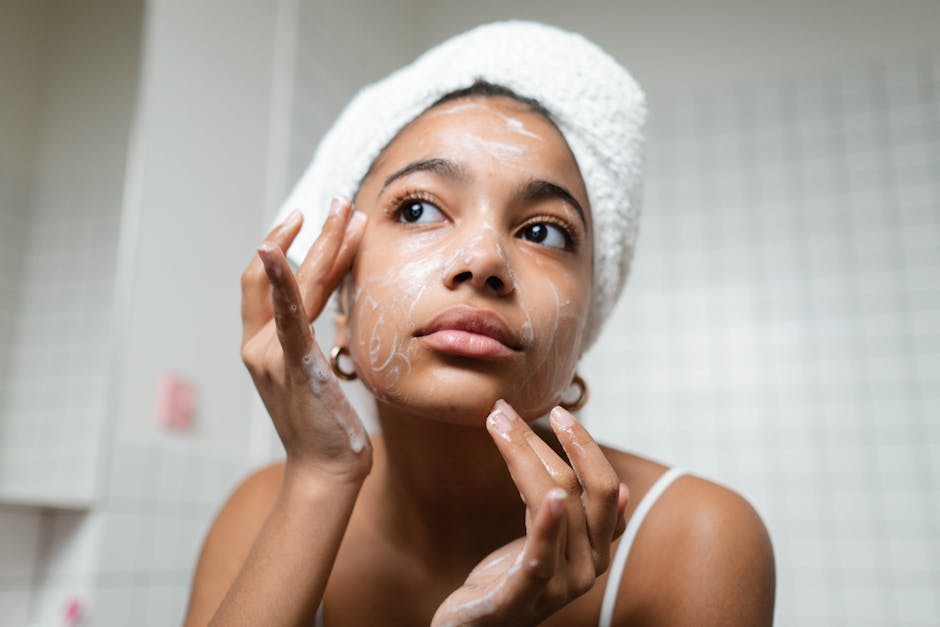
- Gentle Circular Motions: Use your fingertips in circular motions to promote circulation and ensure thorough cleaning.
- Duration: Wash your face gently for at least 60 seconds to allow the cleanser to break down impurities.
When to Cleanse
Twice a day is optimal—morning and night. This routine helps remove overnight sweat and bacteria, and cleans off makeup, sunscreen, and daily grime.
Adjustments for Busy Schedules
- Morning Splash: In the mornings, a quick rinse might suffice if you're pressed for time.
- Evening Ritual: At night, take your time to cleanse thoroughly.
For those with hectic Lagos commutes, consider carrying facial wipes for a midday refresh.
Final Thoughts
Small adjustments to your cleansing routine, particularly the water temperature, can yield substantial improvements in skin health. Remember, consistency is key. With the right approach, your skin will thank you by looking more vibrant and feeling smoother. Break free from the common mistakes and embrace a cleansing routine that works for you. Your skin's future is in your hands—literally!