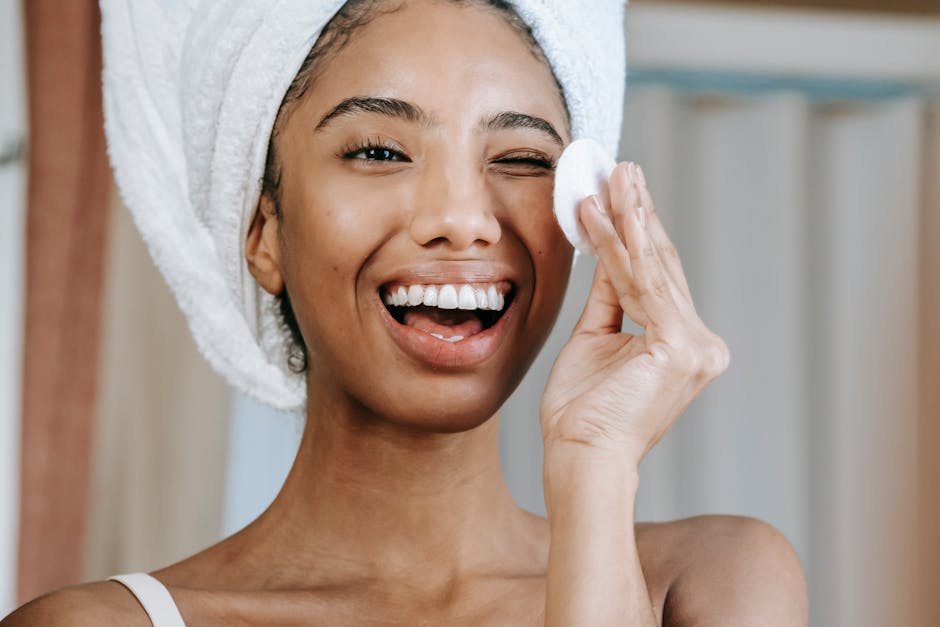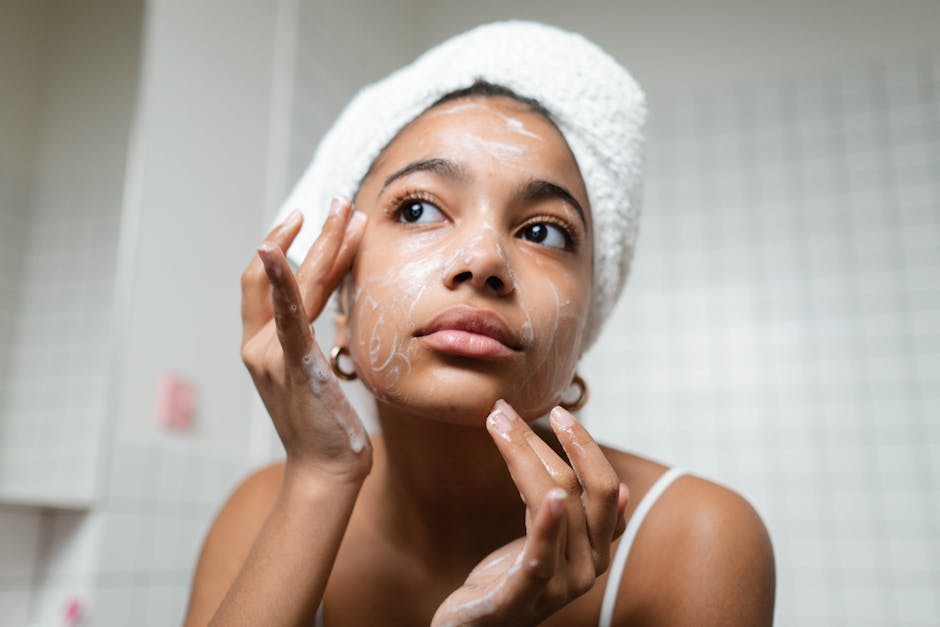
Beauty myths have been a part of our lives for generations, passed down from one person to another. For many Nigerians, these myths shape daily beauty routines. Yet, how many of these claims hold water? Today, we're diving deep into some of the most common beauty myths to see what's fact and what's fiction.
Let's start with something as simple as natural skincare. It's often said that 'natural is always better.' This belief has led many people to abandon scientifically formulated products in favor of kitchen concoctions. But is this really the best choice for your skin?
Natural Skincare: Myth vs. Fact
Myth: Natural Ingredients Are Always Safe
There's a widespread belief that because an ingredient is natural, it's automatically safe for use on the skin. However, this isn't always the case. For example, lemon juice, a popular natural remedy for brightening skin, can actually cause irritation and increase photosensitivity.
The fact is, not all skin types react well to natural ingredients. Some can be too harsh and cause irritation or allergic reactions. It's vital to understand your skin type before making decisions about natural skincare.
"Always patch-test any natural ingredient on a small area of your skin before full application," advises skincare expert Dr. Aisha Bello.
Fact: Science-Backed Products Offer Consistency
Contrary to popular belief, many synthetic ingredients in skincare products are thoroughly tested for effectiveness and safety. These products offer consistency that natural ingredients may lack due to variations in concentration and sourcing.
- Retinol: A scientifically formulated product known for its anti-aging properties.
- Hyaluronic Acid: Proven to hydrate and plump the skin effectively.
Anti-Aging Creams: Myth vs. Fact
Myth: Anti-Aging Creams Can Erase Wrinkles
Many believe that anti-aging creams can completely erase wrinkles. This is a common misconception fueled by aggressive marketing. While these creams can help improve skin texture and reduce the appearance of fine lines, they cannot make wrinkles disappear entirely.
Fact: Prevention and Maintenance Are Key
The effectiveness of anti-aging products largely lies in their ability to prevent further skin damage and maintain current skin health. Ingredients like peptides and antioxidants can boost collagen production and protect against environmental damage.
"Think of anti-aging products as part of a long-term skin care routine, not a quick fix," notes dermatologist Dr. Ngozi Chukwu.
Hair Growth Secrets: Myth vs. Fact
Myth: Cutting Hair Frequently Makes It Grow Faster
A long-standing belief is that frequent haircuts stimulate faster growth. However, trimming your hair does not affect its growth rate. Hair growth is determined by genetics and overall health.
Fact: Healthy Scalp Equals Healthy Hair
What truly impacts hair growth is scalp health. Ensuring your scalp is healthy, moisturized, and free from dandruff can create a better environment for hair to grow.
- Use of nourishing oils like coconut or olive oil to maintain scalp health.
- Regular scalp massages to boost circulation.
Conclusion
Understanding the difference between beauty myths and facts can help you make informed choices about your skincare and haircare routines. It's crucial to rely on verified information and consult with professionals when in doubt. Remember, what works for one person may not work for another, and thus, personalizing your beauty regimen is key to achieving the best results.