Nurturing natural hair is like tending to a delicate garden; it requires patience, dedication, and the right techniques to flourish. For Nigerian women, embracing natural hair is not just a beauty choice but a celebration of heritage and self-expression. However, the Nigerian climate, with its varying humidity and heat, can pose unique challenges. How do you maintain those gorgeous locks, ensuring they remain healthy, strong, and vibrant?
Whether you're transitioning from relaxed hair or are a seasoned naturalista, understanding the best practices for natural hair care is crucial. This comprehensive guide will walk you through the steps of nurturing your hair with love and knowledge, from selecting the right products to protective styling and beyond.
Let's embark on this journey of embracing and enhancing your natural beauty, one strand at a time.
Understanding Your Hair Type
Before diving into care routines, it's important to understand your hair type. Hair types are generally categorized into types 1 through 4, with 4 being the most common among Nigerian women. Knowing your hair type helps in choosing the right products and techniques for maintenance.
Type 4 Hair
Type 4 hair is characterized by its tight curls and coils. It can be further divided into:
- 4A: Soft texture with a defined curl pattern, resembling the shape of an “S.”
- 4B: Tightly coiled with a less defined pattern, often forming a “Z” shape.
- 4C: Very tight coils with no defined curl pattern, often the most fragile type.
"Embrace your hair's unique texture. It tells a story of resilience and beauty."
Understanding these nuances helps in devising a suitable hair care routine.
Essential Hair Care Practices
With knowledge of your hair type in hand, let's delve into essential hair care practices that promote health and vitality.
Moisturizing Regularly
Keeping your hair moisturized is perhaps the most crucial aspect of natural hair care. Due to the tight curls, natural oils from the scalp find it difficult to travel down the hair shaft, leading to dryness.
- Use a leave-in conditioner after every wash to lock in moisture.
- Incorporate a deep conditioning treatment at least once a week.
- Opt for products with natural oils like coconut or argan oil, renowned for their hydrating properties.
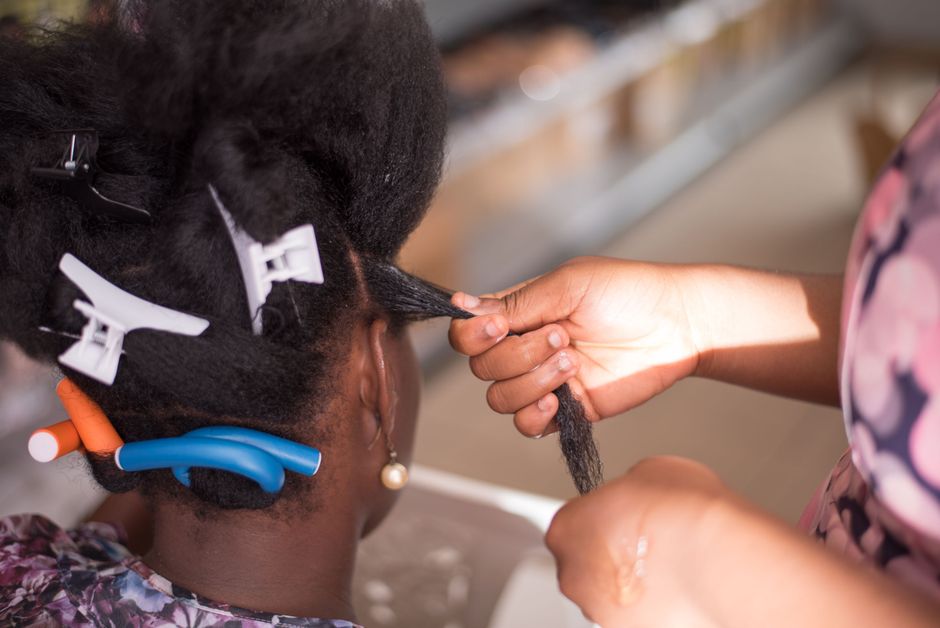
Protective Styling
Protective styles are a great way to minimize hair manipulation and breakage.
- Consider styles like braids, twists, or bantu knots which tuck in the ends.
- Ensure the styles are not too tight to avoid pulling at the roots, which can cause damage.
- Switch styles periodically to prevent strain on any one part of the scalp.
"Protective styling is about giving your hair a break while maintaining a chic look."
Product Selection and Use
The right products can make all the difference in your hair care routine.
Choosing the Right Products
When selecting hair products, consider the ingredients and how they align with your hair's needs.
- Avoid products with harsh chemicals like sulfates and parabens.
- Seek out those enriched with natural ingredients and free from artificial scents.
- Experiment with different brands to find what works best, as each hair type may respond differently.
Application Techniques
How you apply products can affect their efficacy.
- Apply products on damp hair to ensure better absorption.
- Section your hair during application to ensure even coverage.
- Use the LOC method (Liquid, Oil, Cream) to layer moisture efficiently.
Dealing with Common Hair Challenges
Several challenges are unique to natural hair, but with the right strategies, they can be managed effectively.
Tackling Dryness
Dryness is a prevalent issue but can be mitigated with the right approach.
- Incorporate a humidifier in your home to maintain moisture levels.
- Use silk or satin pillowcases to reduce friction and retain moisture.
- Hydrate from within by drinking plenty of water daily.
Managing Shrinkage
Shrinkage can be frustrating but is a normal characteristic of natural hair.
- Embrace styles that stretch the hair, such as twist-outs or braid-outs.
- Consider banding or African threading as methods to stretch your hair.
- Remember, shrinkage is a sign of healthy, elastic hair.
Final Thoughts
Nurturing natural hair is a deeply personal journey that reflects a blend of tradition, identity, and beauty. While the path may have its challenges, the rewards of health and confidence are worth the dedication. By understanding your hair type, embracing protective styles, selecting the right products, and tackling common challenges head-on, you can revel in the beauty of your natural hair.
Remember, every coil and curl tells a story, one that is uniquely yours. Celebrate it with pride and care.