Moisturizing is one of those steps in our skincare routine that we often do on autopilot. It's the comforting final step that seals in all our efforts. However, there's a common mistake many make that could be sabotaging their skin goals: over-applying moisturizer. Yes, you read that right. Too much of a good thing can actually be detrimental to your skin's health.
In a climate as diverse as Nigeria's, where humidity levels vary greatly, understanding the right way to moisturize is crucial. Applying too much moisturizer isn't just wasteful, it can also lead to skin problems like clogged pores, oily skin, or even breakouts. Let’s delve into why this happens and how you can fix it.
Why Over-Applying Moisturizer is Harmful
Clogged Pores and Breakouts
Excess moisturizer can lead to clogged pores, which in turn causes breakouts. The skin can only absorb so much product before it starts to accumulate on the surface, mixing with dirt and oil. This creates a breeding ground for acne.
"Applying too much moisturizer can result in a barrier that traps impurities, leading to skin concerns," says dermatologist Dr. Chibuike Nwosu.
Greasy Skin and Unbalanced pH Levels
When you over-apply, your skin might appear greasy and shiny. This is because the excess moisturizer creates a film on the skin. It also disrupts the skin's natural pH balance, making it more vulnerable to bacterial infections and irritations.
How to Determine the Right Amount
Know Your Skin Type
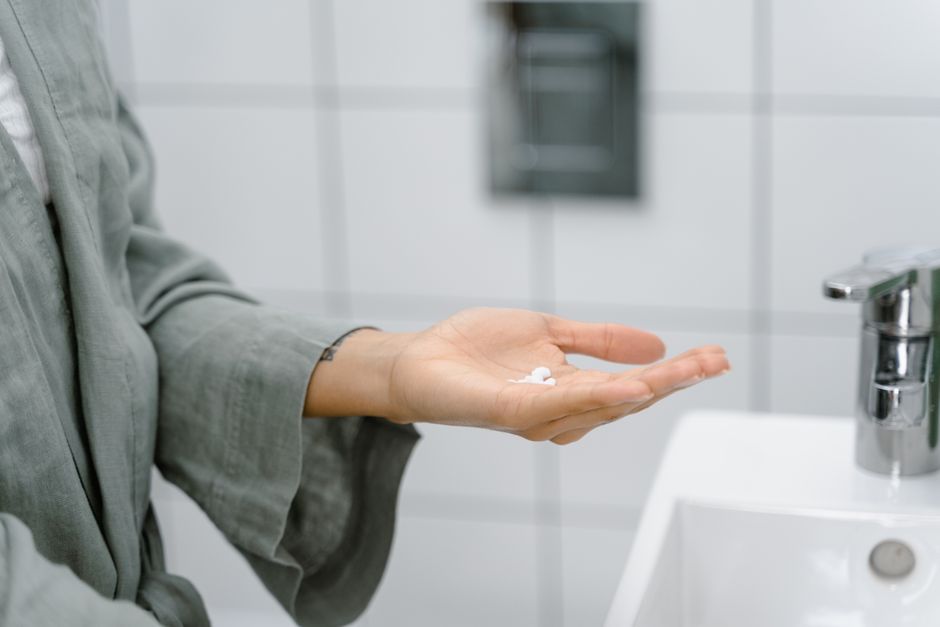
Understanding your skin type is the first step in determining how much moisturizer you need. Oily skin types may require less product than dry skin types. A pea-sized amount might suffice for some, while others may need more.
Spot Test
Try applying a small amount to one part of your face first. Wait a few minutes to see how it absorbs before applying more. This helps prevent the over-application that can lead to greasiness.
Choosing the Right Moisturizer
Ingredients Matter
Opt for moisturizers with ingredients that match your skin needs. For instance, hyaluronic acid is ideal for hydration without heaviness, while aloe vera is soothing and perfect for sensitive skin.
- Look for products labeled 'non-comedogenic' to avoid clogged pores.
- Consider using gel-based moisturizers if you have oily skin.
Consistency is Key
The consistency of your moisturizer should align with your skin type. Cream-based products are often more suitable for dry skin, while lotions and gels are better for oilier types.
Adjusting to Climate and Environment
Humidity and Moisturizing
Nigeria's climate can be humid, which affects how much moisture your skin retains. On particularly humid days, you might find that you need less moisturizer. Conversely, in dry weather, a little more might be necessary.
Indoor vs. Outdoor Needs
Consider your environment. Air-conditioned rooms can dry out your skin, requiring a slightly heavier application. When outdoors, you might need a lighter layer to avoid excessive oiliness.
Conclusion
Understanding the right amount of moisturizer your skin needs can make a significant difference in achieving a healthy, glowing complexion. Over-applying can lead to problems, but with careful consideration of your skin type, climate, and product choice, you can adequately support your skin's hydration needs. Remember, sometimes less is more.