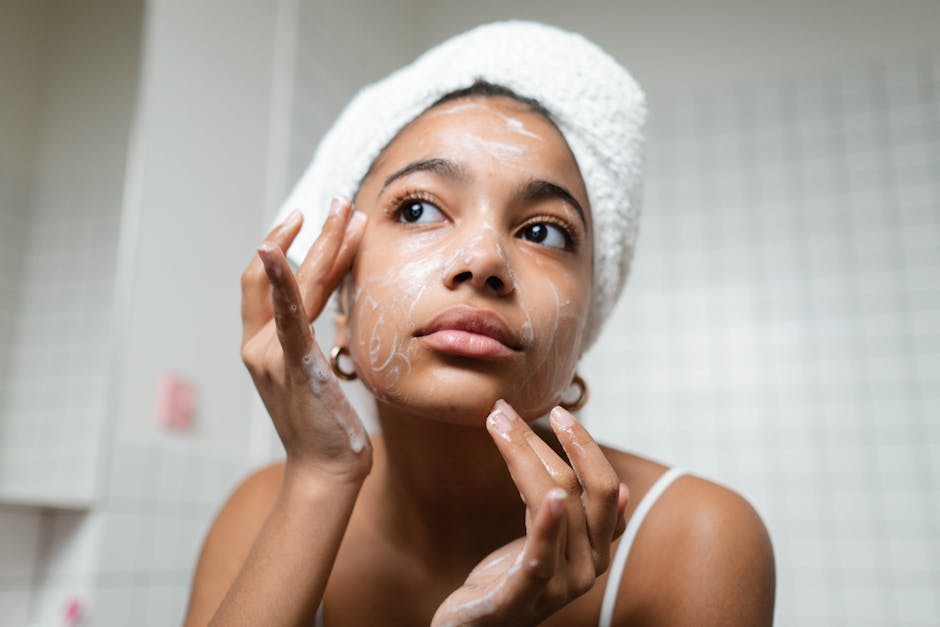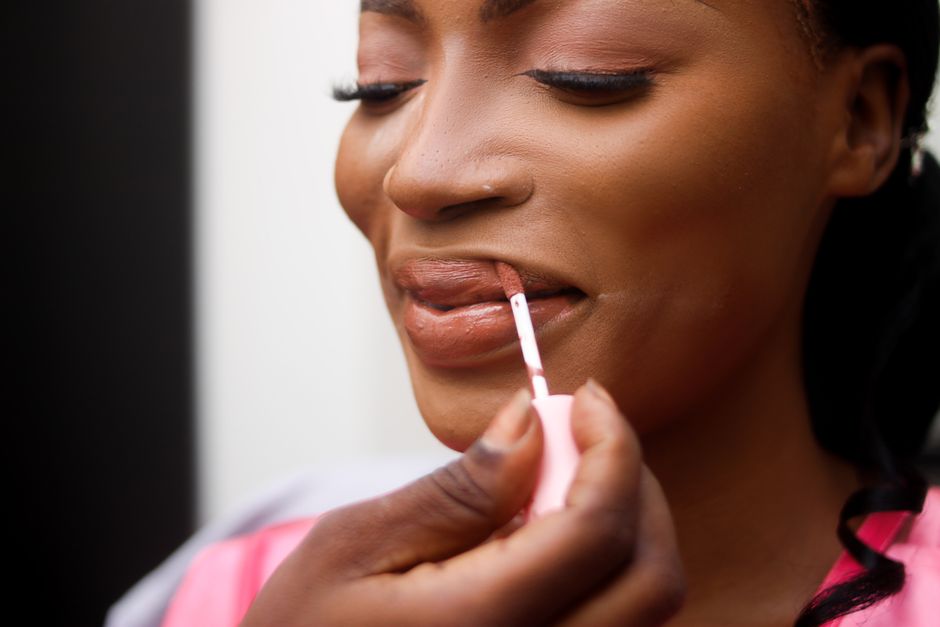
Every woman dreams of achieving that perfect, glowing skin that radiates health and vitality. For Nigerian women, this dream is no different, but the journey can be unique due to our rich, diverse skin types and the climate we live in. Whether you're battling with oily skin or trying to maintain moisture, understanding what works for your skin is key. Let's dive into some practical tips and routines that will help Nigerian women achieve and maintain that enviable glow.
Before we delve into the routines, it's important to appreciate the diversity of Nigerian skin types. From the warm, humid climates of Lagos to the drier air in the northern regions, each environment presents its own set of challenges. As such, your skincare regimen must be as dynamic as the environment around you.
Understanding Your Skin Type
Identifying your skin type is the first step towards effective skincare. Our skin can be broadly categorized into four primary types: oily, dry, combination, and sensitive. Each type requires a different approach.
Oily Skin
If you notice a shine on your face a few hours after washing, you likely have oily skin. This type of skin is prone to acne and blemishes, especially in hot and humid climates.
One effective approach for managing oily skin is to use a gentle, foaming cleanser that removes excess oil without stripping the skin of its natural oils. Look for products containing salicylic acid or tea tree oil, which are known for their oil-control benefits.
Dry Skin
Dry skin can feel tight and may flake in certain areas. It's crucial to maintain hydration levels with moisturizing products that lock in moisture.
Choose a rich, creamy moisturizer containing hyaluronic acid or glycerin. These ingredients are excellent for drawing moisture into the skin and keeping it there.
Combination Skin
Combination skin has oily regions, typically the T-zone, and dry areas elsewhere. Managing this skin type involves addressing both oily and dry needs.
Use a balancing cleanser and consider applying different products to different areas of your face as needed. Lightweight gels can work well for oily areas, while thicker creams may be better for dry patches.
Sensitive Skin
Sensitive skin can react to many products, resulting in redness, itching, or irritation. A gentle approach is necessary for this type.
Opt for hypoallergenic products free from fragrances and dyes, and always perform a patch test when trying a new product.
Building a Skincare Routine
Once you've identified your skin type, the next step is to establish a routine that caters to your specific needs. An effective skincare routine doesn't have to be complicated, but consistency is key.
Morning Routine
- Cleanse: Start your day with a gentle cleanser suited to your skin type.
- Tone: Use a toner to balance your skin's pH and prepare it for the next steps.
- Moisturize: Hydrate your skin with a moisturizer that meets your skin's needs.
- Sunscreen: Never skip sunscreen, even on cloudy days. Use a broad-spectrum SPF of at least 30.
Evening Routine
- Remove Makeup: Double cleansing can be effective, especially if you wear makeup during the day.
- Cleanse Again: Follow up with your regular cleanser to remove any remaining impurities.
- Treat: Apply any treatment products like serums or anti-aging creams.
- Moisturize: Seal your routine with a good night cream to repair and rejuvenate your skin.
Essential Nigerian Skincare Ingredients
While many global skincare products are beneficial, incorporating indigenous ingredients can be a game-changer for Nigerian women. These natural components are not only effective but also readily available.
Shea Butter
Shea butter is a staple in many Nigerian households and is renowned for its moisturizing properties. Rich in vitamins A and E, it can soothe dry skin and improve elasticity.
"Shea butter is a natural wonder for dry and sensitive skin, providing deep hydration and protection from environmental stressors."
Baobab Oil
Extracted from the seeds of the baobab tree, this oil is rich in antioxidants and essential fatty acids, making it ideal for nourishing and repairing skin.
Turmeric
Known for its anti-inflammatory properties, turmeric can help reduce the appearance of dark spots and even out skin tone.
Nutrition and Lifestyle Tips for Glowing Skin
Skincare is not just about what you apply to your skin; it's also about what you put into your body. A balanced diet and healthy lifestyle can significantly impact your skin's health.
Eat a Balanced Diet
- Include fruits and vegetables rich in vitamins and antioxidants.
- Ensure adequate protein intake for skin repair and regeneration.
- Stay hydrated by drinking plenty of water throughout the day.
Practice Healthy Lifestyle Habits
- Get enough sleep to allow your skin to repair itself overnight.
- Engage in regular physical activity to promote circulation and detoxification.
- Manage stress through activities like yoga or meditation, as stress can exacerbate skin issues.
Final Thoughts
Achieving glowing, healthy skin is a journey that requires understanding your skin type, building a consistent skincare routine, and embracing a holistic approach to wellness. By incorporating both modern and traditional practices, you can create a skincare regimen that is truly personalized and effective. Remember, the key to radiant skin is patience and consistency.