As the harmattan season sweeps across Nigeria, your skin might be signaling for help. This dry and dusty period, typically occurring from November to March, brings along a unique set of challenges for skincare. Understanding these changes and how to adapt your routine can make all the difference between healthy, glowing skin and an ashy, irritated one.
The harmattan is characterized by dry and dusty northeasterly trade winds. It often leads to lower humidity and a significant drop in temperature, especially in the northern regions. As pleasant as the cooler weather might be, it triggers drastic changes in how your skin behaves. During this time, the skin's moisture barrier is easily compromised, leading to dryness, flakiness, and sometimes even exacerbating conditions like eczema and dermatitis.
Adjusting your skincare routine to align with the harmattan season is not a luxury but a necessity. Below, we delve into the specifics of how to keep your skin healthy and radiant all season long.
Understanding Harmattan's Impact on Skin
The harmattan season brings a unique combination of climatic conditions that affect your skin in various ways. Here’s how:
Dryness and Dehydration
The drop in humidity levels during harmattan means there's less moisture in the air. As a result, your skin loses its natural moisture faster.
- Use a heavy-duty moisturizer with ingredients like hyaluronic acid or glycerin to lock in moisture.
- Consider using a humidifier in your living space to add moisture to the air.
Increased Sensitivity
The harsh, dusty winds can make your skin more sensitive, leading to irritation and redness.
"During harmattan, always aim for products that soothe and calm the skin, such as those containing aloe vera or chamomile."
Essential Changes to Your Skincare Routine
What worked for your skin in the rainy season might not cut it during harmattan. Here are essential changes to consider:
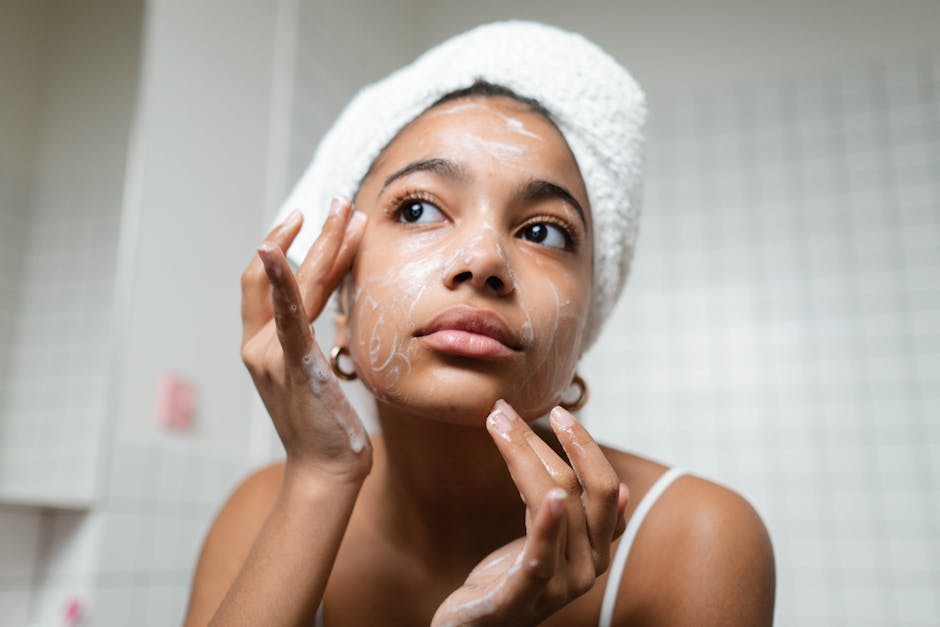
Switch to a Cream-based Cleanser
Foaming cleansers can strip your skin of essential oils. Opt for a gentle, cream-based cleanser instead.
- Avoid alcohol-based toners and opt for hydrating mists.
- Cleanse in the morning and before bed to remove dirt and impurities.
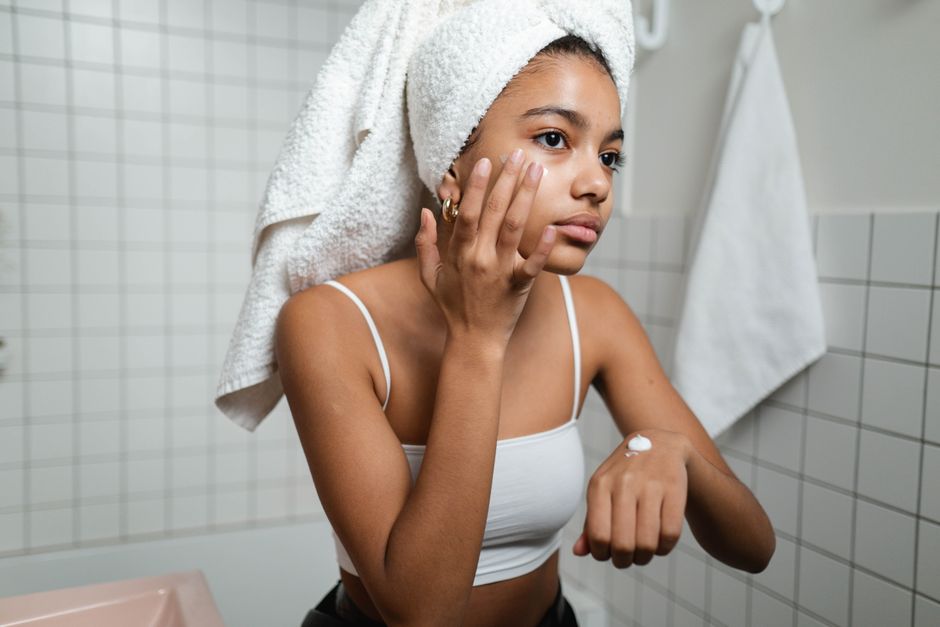
Layering Moisturizers
Layering different types of moisturizers can provide the extra hydration your skin craves.
- Start with a lightweight serum, followed by a thicker cream.
- Seal everything with a face oil to lock in moisture.
Protecting Your Skin from the Elements
Sun Protection is Still Important
Even if the sun seems less intense, UV rays can still damage your skin.
- Use a broad-spectrum SPF of at least 30 daily.
- Reapply every two hours if you’re outside for prolonged periods.
Shielding Against Dust
The dust can clog pores and lead to breakouts. Protective measures are crucial.
- Cover your face with a scarf when outdoors.
- Consider wearing a hat with a wide brim for additional protection.
Nutritional Support for Harmattan Skin
Hydration from Within
Staying hydrated is key. Drinking enough water helps maintain skin elasticity.
- Aim for at least 8 glasses of water a day.
- Incorporate hydrating foods like cucumbers and watermelon into your diet.
Skin-loving Nutrients
Foods rich in vitamins and antioxidants can support skin health during harmattan.
- Consume more fruits and vegetables, particularly those high in vitamin C and E.
- Consider supplements if your diet lacks essential nutrients.
Conclusion
The harmattan season presents unique challenges for skincare, but with the right adjustments, you can keep your skin healthy and radiant. By understanding how harmattan affects your skin and making thoughtful changes to your skincare routine, you can enjoy the season without compromising your skin's health. Remember, a proactive approach will not only protect your skin but can also enhance your overall well-being.