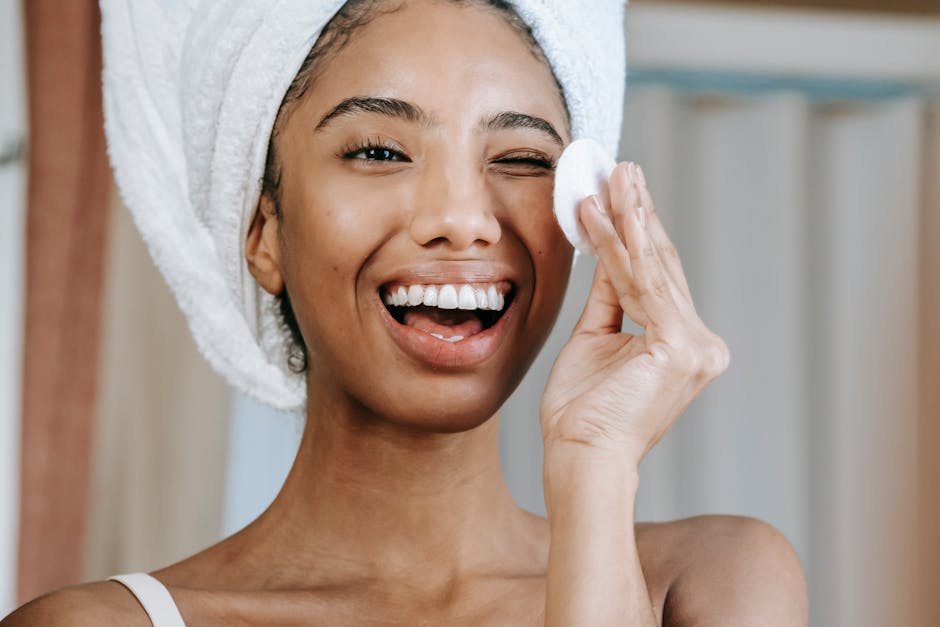
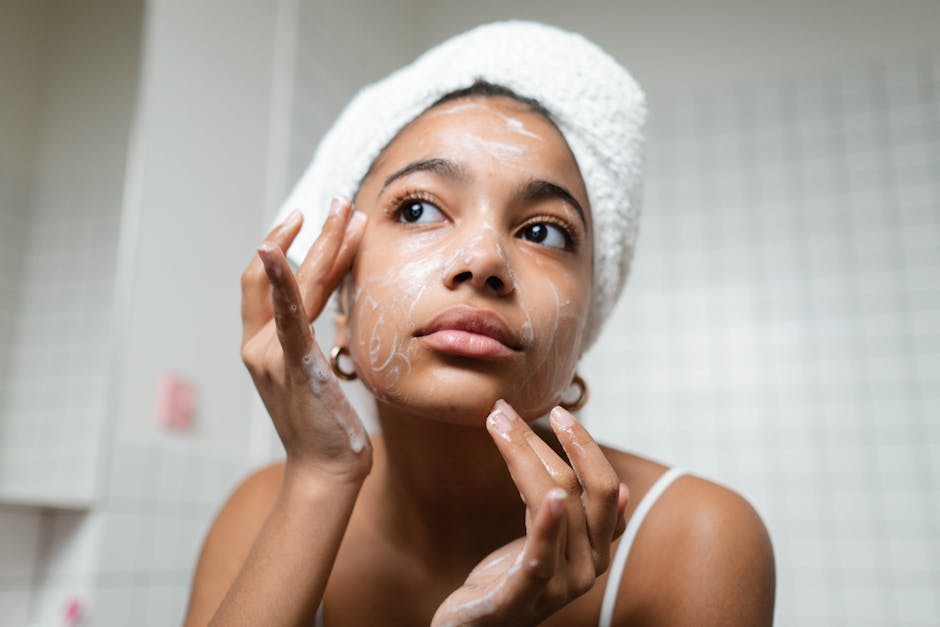
Over-exfoliating is a common skincare mistake that many people unknowingly make in their quest for smooth, glowing skin. The allure of shedding dull skin and revealing a fresh layer often leads individuals to overuse exfoliating products, causing more harm than good. In Nigeria, where the climate can be both humid and harsh, understanding how to properly exfoliate is vital for maintaining healthy skin.
Exfoliation can indeed be beneficial by removing dead skin cells and promoting cell turnover. However, when done excessively, it can strip the skin of its natural oils, leading to irritation, dryness, and even long-term damage. Let's explore why this happens and how you can correct it to enhance your skincare routine.
The Problem with Over-Exfoliation
Understanding Skin's Natural Barrier
The skin's outermost layer, known as the stratum corneum, acts as a natural barrier. It protects against pollutants, bacteria, and UV radiation. Over-exfoliating disrupts this barrier, making the skin vulnerable.
This disruption can lead to increased sensitivity, redness, and irritation. In severe cases, it might even cause conditions like eczema and rosacea to flare up.
Signs You're Exfoliating Too Much
- Persistent redness or irritation
- Increased sensitivity to skincare products
- Dry, flaky patches
- Burning or stinging sensation
Recognizing these symptoms early can prevent further damage. It's crucial to listen to your skin and adjust your exfoliation practices accordingly.
How to Correct Over-Exfoliation
Rebuild Your Skin's Barrier
Start by reducing the frequency of exfoliation. Limit it to once or twice a week, depending on your skin type. Use gentle, hydrating cleansers and moisturizers to support barrier repair.
Tip: Look for products containing ceramides and hyaluronic acid. These ingredients help restore hydration and strengthen the skin's barrier.
Switch to Gentler Exfoliants
Consider swapping harsh scrubs for chemical exfoliants like alpha hydroxy acids (AHAs) or beta hydroxy acids (BHAs). These are usually less abrasive and more effective in the long run.
- AHAs: Best for dry or sensitive skin
- BHAs: Ideal for oily or acne-prone skin
Patch Testing and Product Awareness
Always patch test new products to avoid adverse reactions. Be mindful of active ingredients in your skincare regimen to prevent overloading your skin with exfoliants unknowingly.
Protecting Your Skin in Nigeria's Climate
Adapting to Humidity and Heat
Nigerian weather can exacerbate skin issues like oiliness and acne. It's important to choose lightweight products that won't clog pores. Gel-based moisturizers and non-comedogenic sunscreens are great options.
Expert Insight: "Adapt your skincare routine to the seasons. During the dry harmattan, focus on intense hydration, while in the humid months, prioritize oil control." - Dr. Abiola, Dermatologist
Using Sun Protection
Exfoliated skin is more susceptible to sun damage. Applying broad-spectrum sunscreen daily is non-negotiable. Opt for SPF 30 or higher, and reapply every two hours if you're outdoors.
Conclusion
Finding the perfect balance in exfoliation can transform your skincare journey. By understanding the dangers of over-exfoliation and adopting corrective measures, you can pave the way for healthier, more radiant skin. Remember, less is often more when it comes to skincare, especially in the dynamic climates of Nigeria. Let your skin guide you, and don't hesitate to consult a dermatologist if you need personalized advice.