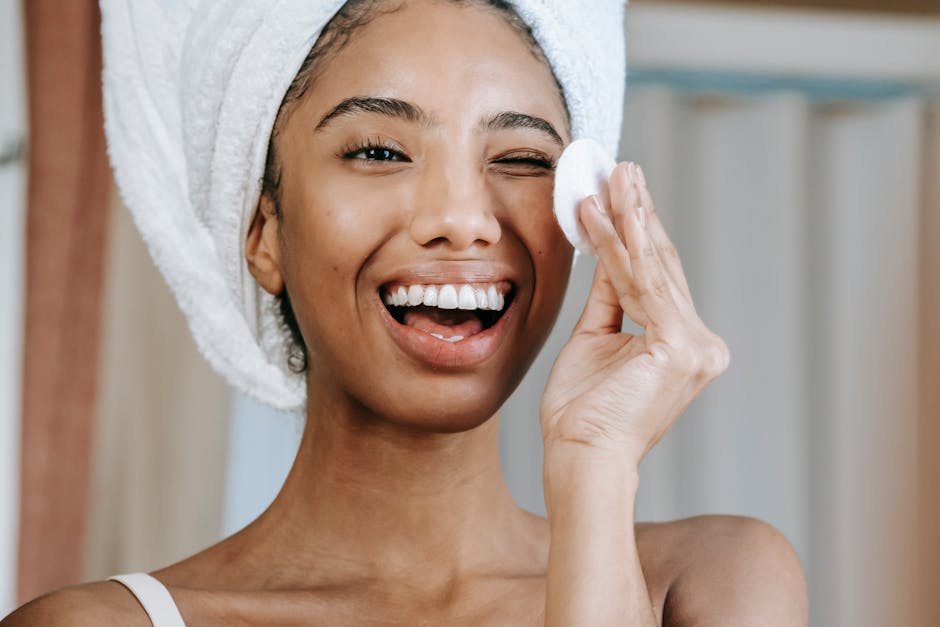
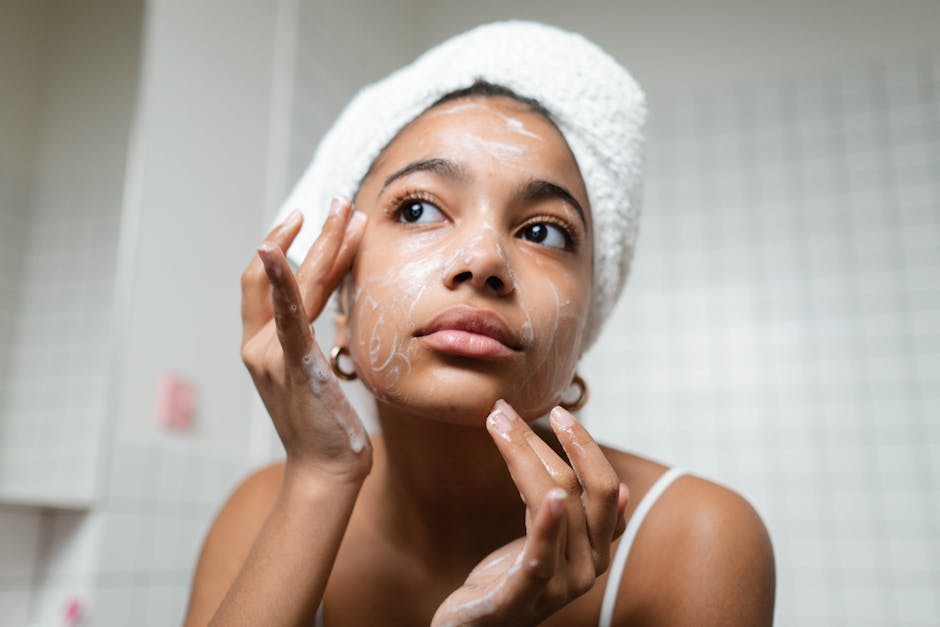
Moisturizing is an essential step in any skincare routine, but did you know that too much of a good thing can actually backfire? While we all want that dewy, hydrated glow, over-moisturizing is a common mistake many make, and it can lead to a host of skin issues. If you're noticing persistent breakouts, clogged pores, or a greasy complexion despite your best efforts, over-moisturizing might be to blame. Let's unpack this skincare conundrum and explore how to strike the perfect balance for radiant skin.
The Problem with Over-Moisturizing
Over-moisturizing occurs when the skin receives more hydration than it actually needs, leading to several unwanted skin conditions. This is particularly relevant for Nigerian climates, where humidity levels can already keep the skin sufficiently hydrated.
Signs You're Over-Moisturizing
- Persistent Breakouts: Excess moisture can clog pores, leading to acne and breakouts.
- Greasy Skin: Your skin appears shiny and oily despite using mattifying products.
- Reduction in Skin's Natural Barrier: Overuse of moisturizers can weaken the skin's natural ability to maintain its own hydration levels.
How Over-Moisturizing Happens
It's easy to get carried away with moisturizing, especially when products promise glowing, youthful skin. However, factors like climate, skin type, and lifestyle significantly influence how much moisture your skin actually needs. In Nigeria, where temperatures are often high and humid, your skin may require less additional moisture than you think.
How to Correct Over-Moisturizing
Finding the right balance in your skincare routine is crucial. Here's how you can adjust your habits to prevent over-moisturizing while ensuring your skin stays well-hydrated.
Identify Your Skin Type
Understanding whether your skin is oily, dry, combination, or sensitive is the first step in tailoring your moisturizing routine. For example, if your skin is oily, you might opt for a lightweight, gel-based moisturizer like the Neutrogena Hydro Boost Water Gel.
Adjust Based on Climate
The high humidity in regions like Lagos can mean less moisture is needed. Consider switching to a lighter moisturizer during the humid months or using it only at night.
Introduce Moisturizer-Free Days
Incorporating days where you skip your moisturizer can help your skin reset its natural balance. Instead, focus on hydration from within by drinking plenty of water and maintaining a balanced diet.
Choosing the Right Products
Product selection plays a fundamental role in ensuring your skin gets just the right amount of moisture without overdoing it.
Opt for Non-Comedogenic Products
Products labeled as non-comedogenic are less likely to clog your pores. This is particularly important for those who are prone to acne or have oily skin.
Consider Ingredients
Look for products with ingredients like hyaluronic acid, which hydrates without weighing the skin down, or niacinamide, which regulates oil production.
Listen to Your Skin
Your skin is your best guide. Pay attention to how it reacts to different products and environmental factors. Adjust your routine based on these observations to ensure you're meeting your skin's current needs.
Be Patient
Adjusting your skincare routine requires patience. Give your skin time to adapt to changes, and don't switch products too frequently.
"Your skin is a reflection of your overall health, so treat it kindly and listen to its needs."
Conclusion
While moisturizing is vital for healthy skin, overdoing it can lead to more harm than good. By understanding your skin type, adjusting your routine based on climate, and choosing the right products, you can achieve that coveted healthy glow without the pitfalls of over-moisturizing. Remember, balance is key, and sometimes less is more.